
Satisfies 1 requirement
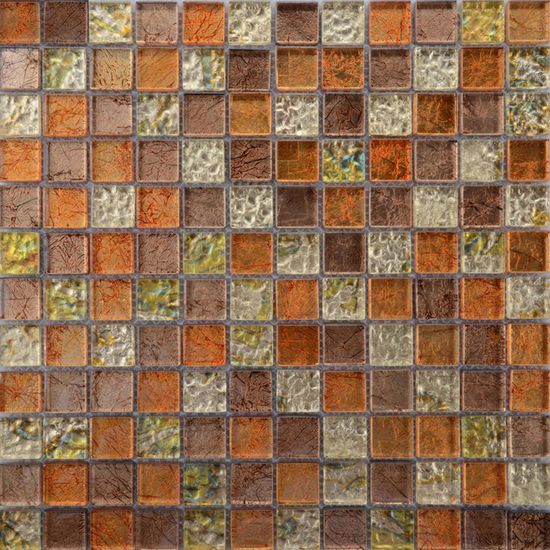
High Quality Natual Stone Marble Mosaic for Decorative Wall Tile
US$10.00-25.00
72 Square Meters(MOQ)

20000+ products and 10000+ suppliers results





Selecting the appropriate material is critical for durability. For wet areas like swimming pools or bathrooms, prioritize Glass Mosaics due to their zero water absorption rate and resistance to chemicals. For high-traffic flooring, Porcelain or Natural Stone mosaics (such as marble) are preferred for their superior abrasion resistance (PEI Rating 3-5). If the project involves kitchen backsplashes, ensure the material is heat-resistant and easy to clean, typically favoring glazed ceramic or glass.
Buyers must ensure products meet ISO 13006 or EN 14411 standards for ceramic tiles. Key technical metrics include Water Absorption (should be <0.5% for porcelain/glass), Breaking Strength, and Slip Resistance (R-rating). For commercial projects, verify the Coefficient of Friction (DCOF > 0.42) to ensure safety in public spaces. Always request CE Marking for European markets and ASTM standards for North American exports.
Quality consistency is the biggest challenge in mosaic production. Demand a Pre-Shipment Inspection (PSI) to check for color shading (tonality) consistency across different batches. Ensure the mesh backing is made of high-quality fiber that won't rot and that the alignment of individual chips is uniform with a variance of less than 1mm. Requesting a production sample from the current mass production run is more effective than relying on an old showroom sample.
To maximize ROI, consider the Total Cost of Ownership (TCO). While unit prices are important, breakage rates during transit can inflate costs; ensure the supplier uses five-layer corrugated boxes and fumigated wooden pallets. Negotiate bulk discounts (typically 10-20%) for full container loads (FCL). Additionally, sourcing from integrated manufacturers on Made-in-China.com can reduce middleman markups and provide better customization flexibility for MOQs.
The primary risks include logistics breakage and color discrepancy. Mitigate these by specifying reinforced packaging requirements in the contract and using Trade Assurance services on Made-in-China.com to secure your payment. Always include a '5% extra' buffer in your order volume to account for installation waste and potential minor transit damage.
When negotiating, clearly define the Lead Time (standard is 20-35 days) and set penalties for delays. For custom patterns or gradients, request a CAD drawing approval before production starts. Professional buyers should leverage long-term partnership potential to negotiate lower MOQs for trial designs while maintaining stable pricing for core SKUs.
Mosaic tiles are heavy and dense; therefore, sea freight is the only economically viable option for bulk orders. Use FOB (Free On Board) terms if you have a reliable freight forwarder to control costs, or CIF (Cost, Insurance, and Freight) if you want the supplier to handle the risk until the port of destination. Ensure all HS Codes (typically 6907 or 7016) are correctly declared to avoid customs delays and unexpected anti-dumping duties in certain regions.