
Satisfies 1 requirement
Durable Railway Auxiliary Transformer Cabinet for Metro and Emus with Great Performance
US$3,000.00-7,000.00
1 Piece(MOQ)

40000+ products and 10000+ suppliers results


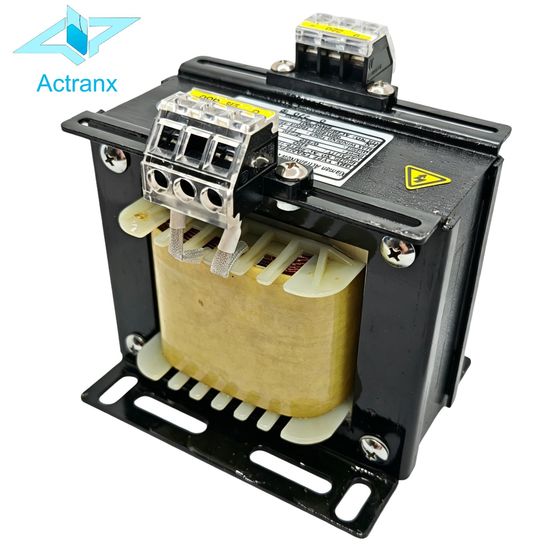


When sourcing auxiliary transformers, buyers must prioritize rated capacity (kVA), voltage ratios (e.g., 11kV/415V), and insulation class (Class H or F). It is critical to verify the cooling method, typically ONAN (Oil Natural Air Natural) for outdoor units or AN (Air Natural) for dry-type indoor units. Additionally, ensure the vector group (e.g., Dyn11) matches your existing power system configuration to prevent phase displacement issues.
To ensure safety and grid compatibility, products must adhere to IEC 60076 for power transformers or IEEE C57.12.00 for North American markets. For European regions, CE marking and compliance with the Ecodesign Directive (Tier 2) for energy efficiency are essential. If the unit is intended for hazardous environments, ATEX or IECEx certification for explosion-proof integrity is required.
Focus on the No-Load Loss (Iron Loss) and Load Loss (Copper Loss) values provided in the technical data sheet. High-efficiency units using amorphous metal cores can reduce energy waste by up to 70% compared to traditional silicon steel, offering a better Total Cost of Ownership (TCO) over a 20-year lifespan despite a higher initial purchase price.
Dry-type transformers are preferred for indoor installations, high-rise buildings, and underground stations due to their fire-resistant properties and low maintenance. Conversely, oil-immersed transformers are more suitable for outdoor substations and heavy industrial sites because of their superior heat dissipation and better protection against harsh environmental contaminants.
Transformers are heavy and sensitive equipment. Ensure the supplier uses seaworthy vacuum packaging and heavy-duty steel skids. It is mandatory to request the installation of Impact Recorders (Shockwatch) on the crate to monitor mishandling during transit. For oil-filled units, verify if they are shipped with or without oil; shipping 'dry' (filled with nitrogen) reduces weight but requires specialized onsite filling.
Focus on Routine Test Reports and Type Test Reports as negotiation leverage. A supplier willing to provide KEMA or CESI lab certifications justifies a premium price. For bulk orders, negotiate for extended warranties (24-36 months) and the inclusion of critical spare parts (such as bushings and gaskets) in the initial contract price.
Utilize secured payment terms and consider hiring a third-party inspection agency (like SGS or Intertek) to perform a Factory Acceptance Test (FAT) before final payment. When sourcing via Made-in-China.com, prioritize Audited Suppliers who have undergone comprehensive on-site verification of their manufacturing capabilities and financial standing.
Check for import duties and anti-dumping regulations specific to electrical machinery in your country. Ensure the HS Code (typically 8504) is correctly declared to avoid customs delays. For inland delivery, confirm that the local port has the heavy-lift crane capacity required to handle the transformer's gross weight.