
Satisfies 1 requirement
TRTDY-C Industrial Controls Power Frequency Toroidal Transformer 30W-3000W Electrical Transformer 230V 220V 110V to 24V 12V
US$7.71-105.89
20 Pieces(MOQ)

40000+ products and 20000+ suppliers results


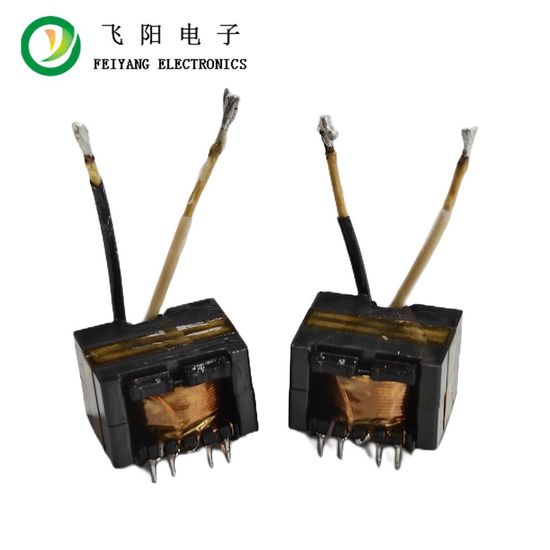


When sourcing a 24V transformer, you must first determine the Output Current (Amps) or Power Rating (VA/Watts) to ensure it can handle the intended load; a safety margin of 20-25% extra capacity is recommended to prevent overheating. Additionally, verify the Input Voltage compatibility (e.g., 110V, 220V, or universal 85-265V) and the Efficiency Rating, aiming for 85% or higher to reduce energy loss. For specific environments, check the IP Rating (e.g., IP67 for waterproof needs) and the Cooling Method, whether it is natural air convection or forced fan cooling.
Compliance is critical for customs clearance and operational safety. For the North American market, look for UL (Underwriters Laboratories) or ETL listing, specifically UL 5085 for low voltage transformers. For the European Union, the CE mark is mandatory, indicating compliance with the Low Voltage Directive (LVD) and EMC Directive. Additionally, ensure the product meets RoHS (Restriction of Hazardous Substances) standards to guarantee it is free from toxic materials like lead and cadmium.
Magnetic transformers are typically heavier, use copper coils, and are known for extreme durability and longevity, making them ideal for landscape lighting or heavy machinery. Electronic (Switching) transformers are compact, lightweight, and offer better voltage regulation and energy efficiency, which is preferred for LED strips and sensitive electronics. You should choose based on the load type (inductive vs. resistive) and the available installation space.
To ensure long-term reliability and protect connected equipment, the transformer should feature Short Circuit Protection (SCP), Overload Protection (OLP), and Over Voltage Protection (OVP). High-end models also include Over Temperature Protection (OTP), which automatically shuts down the unit if internal heat exceeds safe limits. Always request the supplier to provide test reports verifying these safety triggers.
Prioritize suppliers with the 'Audited Supplier' badge, as they have undergone on-site inspections by third-party agencies like SGS or Bureau Veritas. Review their Audit Reports to check their production capacity and quality control processes. It is highly recommended to request a sample for lab testing before placing a bulk order to verify that the actual copper content and insulation quality match the provided specifications.
Transformers, especially magnetic ones, are heavy and prone to impact damage or moisture ingress during sea freight. Ensure the supplier uses reinforced export packaging, such as double-walled corrugated boxes with internal foam molding or wooden crates for bulk shipments. To mitigate financial risk, use Trade Resources or secure payment methods that offer escrow-like protection until the goods are delivered and inspected.
Suppliers often offer tiered pricing; for orders exceeding 500 units, you can typically negotiate a 10-15% discount. If you require custom lead wires or specific connectors, clarify the Minimum Order Quantity (MOQ) for customization early. To secure the best deal, discuss long-term procurement forecasts with the supplier, which may lead to better unit prices and priority production scheduling.
For small batches or samples, Air Express (DHL/FedEx) is fastest but expensive due to weight. For commercial stock, Sea Freight (FOB or CIF terms) is the most economical. When shipping to regions with strict electrical codes, ensure the HS Code (typically 850431) is correctly declared on the Commercial Invoice and Packing List to avoid customs delays or incorrect duty applications.