SourcingAI

Car hauler manufacturers

I have found results from400+products and200+suppliers aboutCar hauler

Sourcing guidance for Car Hauler

How to choose the right type of Car Hauler for specific business needs?

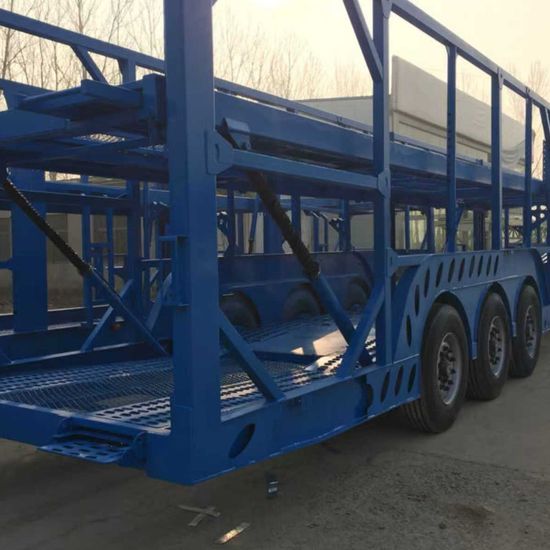
Selecting a car hauler depends on the volume of vehicles and the level of protection required. For high-end luxury or classic cars, Enclosed Car Haulers are essential to prevent weather and road debris damage. For standard logistics and high-volume transport, Open Multi-Car Trailers (such as 3-car or 10-car carriers) offer the best cost-per-unit efficiency. Ensure the trailer type matches your towing vehicle's Gross Combined Weight Rating (GCWR) to avoid mechanical failure.

What are the key technical specifications and material standards for Car Haulers?

Prioritize haulers constructed with High-Tensile Steel or Reinforced Aluminum Alloys for an optimal strength-to-weight ratio. Key components to inspect include Dexter or equivalent brand axles, electric or hydraulic braking systems, and heavy-duty loading ramps. Ensure the floor utilizes diamond plate steel or perforated punching plates for superior tire grip and secure tie-down points. For hydraulic models, verify the cylinder seal quality and pump reliability.

What compliance and safety standards must a Car Hauler meet for international trade?

Buyers must ensure the product complies with regional road safety regulations. For the US market, look for NATM (National Association of Trailer Manufacturers) certification and compliance with DOT (Department of Transportation) lighting and braking standards. For European markets, CE marking and COC (Certificate of Conformity) are mandatory. Verify that the VIN (Vehicle Identification Number) is correctly etched and matches the provided documentation for seamless customs clearance.

How can I evaluate the durability and load capacity of a Car Hauler?

Always request the Gross Vehicle Weight Rating (GVWR) and the Payload Capacity to ensure it can handle your heaviest cargo. Check for hot-dip galvanization, which provides the best anti-corrosion protection for long-term outdoor use. Examine the welding quality—robotic welding is preferred for consistency. Ask for stress test reports or videos of the trailer under full load to validate structural integrity before finalizing the purchase.

Cross-Border Purchasing Considerations for Car Haulers

What are the primary risks when importing Car Haulers from overseas?

The biggest risks include shipping damage and non-compliance with local road laws. Large steel structures can suffer from surface oxidation (rust) during sea transit if not properly treated. To mitigate this, require the supplier to apply anti-rust wax and use seaworthy packaging. Additionally, ensure the axle width and lighting configurations (e.g., LED color and placement) match your country's specific traffic laws to avoid being denied registration.

How should I negotiate with suppliers on Made-in-China.com for bulk orders?

Focus on Total Cost of Ownership (TCO) rather than just the unit price. Negotiate for spare parts kits (such as extra tires, brake pads, and light fixings) to be included in the price. For orders exceeding 5 units, aim for a 5-10% volume discount. Request a staggered payment schedule (e.g., 30% deposit, 70% after third-party inspection but before shipment) to maintain leverage over quality control.

What is the most cost-effective shipping method for Car Haulers?

Due to their large dimensions, Car Haulers are often shipped via Ro-Ro (Roll-on/Roll-off) vessels or as Breakbulk cargo. For smaller, flat-packable trailers, 40ft High Cube containers can be used to save costs, but this requires on-site assembly capabilities at the destination. Always clarify the Incoterms; CIF (Cost, Insurance, and Freight) is common for new buyers, but FOB (Free On Board) allows you to use your own freight forwarder for better logistical control.

How can I ensure transaction security and quality assurance?

Utilize the Secured Trading services provided by Made-in-China.com to protect your funds. Never bypass the platform for initial payments. Hire a third-party inspection agency (like SGS or Intertek) to perform a Pre-Shipment Inspection (PSI). The inspector should specifically check the alignment of the axles, the integrity of the hydraulic systems, and the electrical wiring safety to ensure the product matches the agreed-upon specifications.

Related queries