
Sheet Scrap Aluminum Can Baler for Sale

Metal Recycle Automatic Aluminum Cans Baler

Hydraulic Waste Aluminum Can Scrap Press Machine Metal Baler

I have found results from1000+products and600+suppliers aboutAluminum can baler


When sourcing an aluminum can baler, you must prioritize Pressing Force (Tonnage); for standard aluminum cans, a force of 30 to 60 tons is typically sufficient to achieve high-density bales. Additionally, evaluate the Cycle Time, aiming for 20-45 seconds to ensure operational efficiency. The Bale Size should be compatible with standard shipping containers or truck dimensions to optimize logistics costs. Lastly, ensure the machine uses high-quality hydraulic components (such as Rexroth or Vickers equivalent) and wear-resistant steel plates (HARDOX) in the compression chamber to extend the equipment's lifespan.
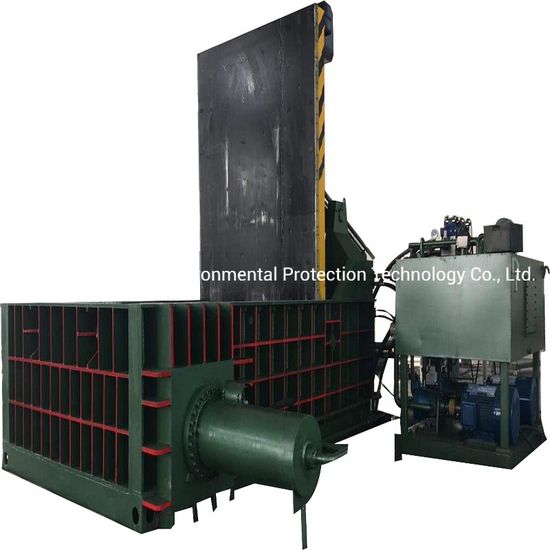
For international trade, the machine must carry a CE Marking for the European market or meet ANSI Z245.5 standards for North America. It is critical to verify that the unit includes Emergency Stop buttons, safety interlock sensors on all access gates, and overload protection systems. As a professional buyer, you should request ISO 9001 certification from the manufacturer to ensure consistent production quality and safety testing protocols.
The choice depends on your processing volume and floor space. Vertical balers are cost-effective and ideal for small to medium volumes (up to 5 tons per day) with limited space. Horizontal balers, especially automatic tie models, are designed for high-capacity industrial operations (over 10 tons per day) and offer continuous feeding capabilities, which significantly reduces labor costs despite a higher initial capital investment.
Regular maintenance is vital. You should ensure the supplier provides a detailed maintenance manual covering hydraulic oil filtration, seal replacements, and lubrication schedules. Look for suppliers on Made-in-China.com who offer remote technical support and a guaranteed spare parts supply for at least 5-10 years to prevent costly downtime.
The main risks include damage during maritime transit and technical non-conformity. To mitigate these, insist on Seaworthy Packaging (vacuum plastic wrapping plus reinforced wooden crates or iron frames). Always use Trade Assurance services or Letter of Credit (L/C) to secure your payment until the bill of lading is issued. Furthermore, hiring a third-party inspection agency (like SGS or BV) to conduct a pre-shipment inspection is highly recommended to verify the machine's performance before it leaves the factory.
Focus on the Total Cost of Ownership (TCO) rather than just the sticker price. Negotiate for a comprehensive spare parts kit (valves, seals, and switches) to be included in the initial price. For bulk orders or long-term partnerships, aim for a 5-10% discount or an extended warranty period (e.g., 24 months instead of 12). Clearly define the Incoterms (FOB or CIF) to avoid hidden port charges upon arrival.
Due to the weight and dimensions, Ocean Freight is the standard. Small vertical balers can be shipped via LCL (Less than Container Load), but for large horizontal balers, a 20GP or 40HQ container is required. Ensure the supplier provides a Loading Supervision Report to confirm the machine is properly lashed and secured within the container to prevent shifting during rough seas.
Look for the 'Audited Supplier' badge, which indicates the supplier has been verified by independent inspection companies. Check their Business License, Export Experience, and Customer Reviews. Prioritize manufacturers who have a proven track record of exporting to your specific region, as they will be more familiar with your local voltage requirements (e.g., 220V/380V/440V) and frequency (50Hz/60Hz).