
Satisfies 1 requirement
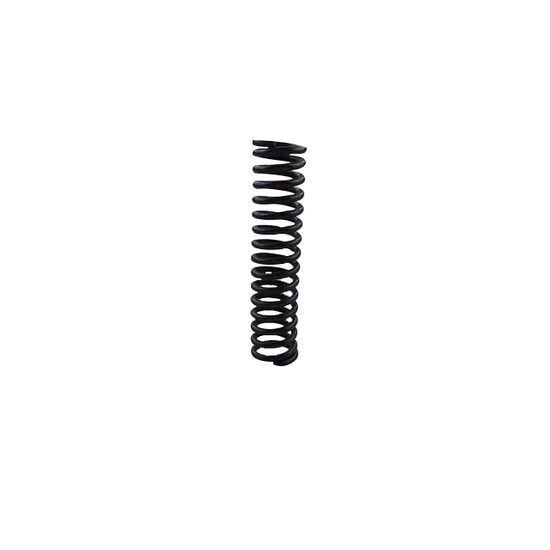
Agriculture Rotary Tiller Parts Spare Parts FIAT Tractor, OEM Metal Stamping Bending Fabricating, CNC Turning Part
US$1.00
300 Pieces(MOQ)

I have found results from100000+products and50000+suppliers aboutTiller parts price




When sourcing tiller parts, prioritize material hardness and wear resistance. For blades and tines, look for 65Mn spring steel or boron steel with a Rockwell hardness (HRC) of 45-52. Ensure that gears and shafts are made of 20CrMnTi alloy steel with carburizing heat treatment to withstand high torque. For seals and gaskets, specify NBR or Viton materials to prevent oil leakage under high-temperature soil friction.
Compatibility is the most critical factor in reducing return rates. Always request technical drawings or CAD files from the supplier to verify spline counts, shaft diameters, and bolt hole spacing. For engine-related parts like carburetors or pistons, confirm the OEM part number and the specific engine model (e.g., 170F, 186F). Requesting a pre-production sample for fitment testing is highly recommended for bulk orders.
For the European market, ensure parts related to the power unit meet CE Machinery Directive 2006/42/EC and Stage V emission standards. For the US market, engine components must be EPA or CARB certified. Additionally, verify that the manufacturer follows ISO 9001:2015 quality management systems to ensure batch-to-batch consistency in dimensions and metallurgy.
Price variations are often driven by the production method. Forged blades are more expensive but offer superior grain structure and impact toughness compared to stamped blades. Heat treatment uniformity is also a cost driver; parts that undergo induction hardening on the cutting edge while maintaining a flexible core will last longer in rocky soil, providing better long-term value despite a higher initial unit price.
Utilize third-party inspection services (such as SGS or Intertek) to conduct a During Production Check (DUPRO) or a Final Random Inspection (FRI). Focus the inspection on material spectroscopy to verify steel grade and dimensional tolerance checks. On platforms like Made-in-China.com, prioritize Audited Suppliers who have undergone comprehensive on-site factory verifications.
Negotiate based on Total Cost of Ownership (TCO) rather than just the unit price. Ask for tiered pricing based on volume (e.g., 500, 1000, 5000 units). If you are a repeat buyer, negotiate for annual rebate programs or favorable payment terms like Net-30 after a successful initial transaction. Mentioning competitive quotes from other Made-in-China.com gold members can also provide leverage.
Tiller parts are high-density and heavy, making Sea Freight (LCL or FCL) the only economically viable option for bulk orders. To prevent rust during long-term sea transit, insist that the supplier uses VCI (Volatile Corrosion Inhibitor) packaging or applies a rust-preventative oil coating on all bare metal surfaces. Ensure the outer cartons are reinforced with pallets and plastic strapping to handle the weight.
Always use Secured Payment services provided by reputable B2B platforms to ensure your funds are held in escrow until shipping documents are verified. Clearly define the Acceptable Quality Level (AQL) in the Proforma Invoice (PI). If a dispute arises regarding part fitment, having a detailed contract that specifies the technical drawings as the reference point will be your strongest protection.