
Satisfies 1 requirement
Mechanical Seal for Sulzer Ahlstar Pumps Andritz Pumps Jcs2 Jcs2a Jcs2p Double Face Seal
US$0.80-200.00
10 Pieces(MOQ)

I have found results from3000+products and900+suppliers aboutSulzer pumps manufacturers


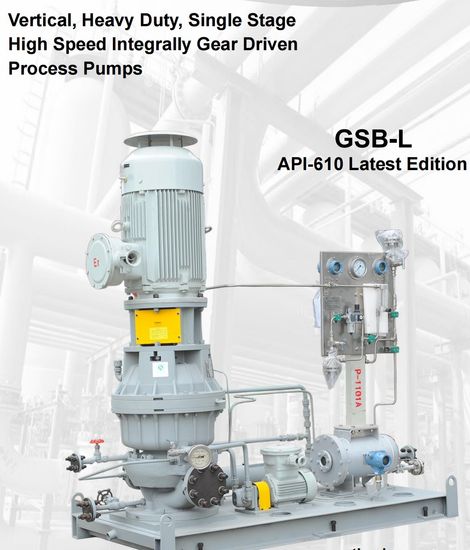


When evaluating manufacturers, you must prioritize material integrity and hydraulic performance. Ensure the pump casings are made of ASTM A890 Duplex Stainless Steel or Super Duplex for corrosive environments. Verify that the impeller design matches your specific flow rate and head requirements. It is critical to confirm that the manufacturer adheres to ISO 5199 or ANSI/ASME B73.1 standards for chemical process pumps to ensure dimensional interchangeability and mechanical reliability.
The lifespan of an industrial pump depends heavily on its internal components. Demand the use of premium mechanical seals (e.g., Burgmann or John Crane equivalents) and high-precision bearings (e.g., SKF or FAG). Ask the manufacturer for L10 bearing life calculations, which should ideally exceed 25,000 hours of continuous operation. Additionally, ensure the pump features a heavy-duty shaft design to minimize deflection at the seal faces, reducing the risk of premature leakage.
For high-risk applications, the manufacturer must provide API 610 certification (for petroleum and gas) or ATEX certification if the pump will operate in explosive atmospheres. You should also request ISO 9001:2015 Quality Management documentation and CE marking for European market entry. For pumps handling potable water, verify NSF/ANSI 61 compliance to ensure no harmful chemicals leach into the fluid.
Never skip the Factory Acceptance Test (FAT). Require the manufacturer to provide a Hydrostatic Test Report (usually at 1.5 times the maximum allowable working pressure) and a Performance Curve Test (measuring flow, head, and power consumption). For critical applications, request a Vibration Analysis and NPSH (Net Positive Suction Head) testing to prevent cavitation issues during field installation.
To avoid 'copycat' products with inferior metallurgy, conduct a third-party factory audit via services like SGS or Intertek. When sourcing through Made-in-China.com, prioritize 'Audited Suppliers' who have verified production capabilities. Always request Material Test Reports (MTRs) that provide a chemical heat analysis of the castings to ensure they meet the specified grade.
Focus your negotiations on Total Cost of Ownership (TCO) rather than just the initial purchase price. Negotiate for a longer warranty period (e.g., 18–24 months) and the inclusion of a 'two-year operation' spare parts kit (including O-rings, gaskets, and seals) at a discounted rate. For bulk orders, aim for a 10-15% discount or ask the supplier to absorb the costs of seaworthy export packaging (IPPC fumigated wooden crates).
Industrial pumps are heavy and fragile; ensure the contract specifies FOB or CIF terms with mandatory all-risk marine insurance. Use secure payment methods like Letters of Credit (L/C) for large sums or Escrow-based trade assurance services on Made-in-China.com to ensure funds are only released upon proof of shipment. Ensure the manufacturer provides a detailed packing list and HS Code (typically 841370) to prevent customs delays.