Satisfies 1 requirement
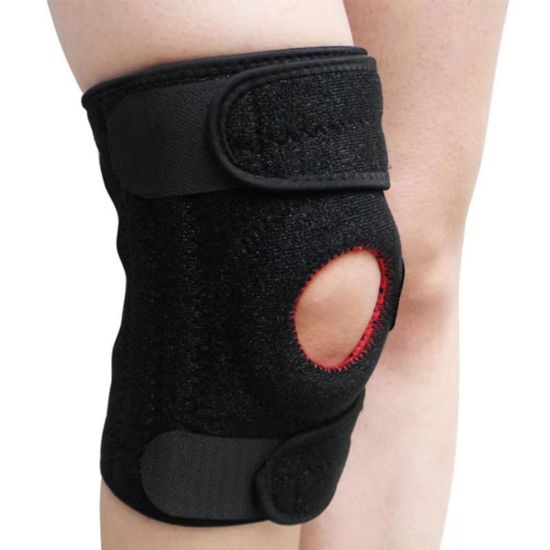
Custom Color Men Women Durable Wearable Compression Protector Sports Open Patella Knee Pads
US$2.50-3.50
100 Pieces(MOQ)

I have found results from30000+products and10000+suppliers aboutSports wearable


Buyers should prioritize sensor accuracy (specifically PPG for heart rate and 6-axis accelerometers for motion tracking). Ensure the device features a high-resolution OLED or AMOLED display for outdoor visibility and a battery life of at least 7-14 days on a single charge. For outdoor sports, integrated GPS/GNSS and a waterproof rating of 5ATM or IP68 are essential benchmarks for durability.
As electronic devices with wireless capabilities, they must hold CE (RED) certification for the European market and FCC certification for the United States. Additionally, since these devices have direct skin contact, materials must comply with RoHS and REACH standards to ensure they are free from hazardous substances like lead or nickel. For health-related data tracking, ensure the supplier follows GDPR or HIPAA-compliant data encryption protocols.
A professional supplier should provide SDK/API documentation for third-party integration. Verify if their proprietary app is compatible with both iOS and Android and supports synchronization with major ecosystems like Apple Health, Google Fit, or Strava. Request a demo account to test the UI/UX stability and the frequency of OTA (Over-the-Air) firmware updates.
For the professional fitness segment, focus on advanced metrics like VO2 Max, recovery time, and SpO2 monitoring. For the elderly care market, prioritize fall detection and SOS emergency alerts. If targeting the corporate wellness sector, look for devices that support multi-user data management dashboards and bulk device synchronization.
Always request a Product Inspection Report from a third-party agency (like SGS or TUV) before the final payment. Specifically, ask for a battery safety test and a Bluetooth connectivity stability test across a sample of 5-10% of the total order volume. Using Made-in-China.com's Secured Trading services can also provide a safety net for your funds until the quality is verified.
Focus on tiered pricing based on volume; for example, aim for a 10-15% discount when moving from 500 to 2,000 units. Negotiate for spare parts (1-2% extra straps or charging cables) to be included at no cost. Additionally, discuss customized branding (OEM) costs upfront, ensuring that logo printing and custom packaging do not excessively inflate the unit price.
Sports wearables contain lithium batteries, which are classified as Class 9 Dangerous Goods. Ensure your supplier provides a valid UN38.3 test report and MSDS (Material Safety Data Sheet). Choose a freight forwarder experienced in battery-inclusive air freight to avoid customs delays, and always opt for DDP (Delivered Duty Paid) terms if you want the supplier to handle all import duties and taxes.
Verify the supplier's Business License and Export Qualification on Made-in-China.com. Before sharing any proprietary designs or software requirements, sign a Non-Disclosure Agreement (NDA). Use Escrow-based payment methods to ensure that funds are only released once the Bill of Lading (B/L) is confirmed and the goods meet the agreed-upon specifications.