
Satisfies 1 requirement
Stainless Steel Conveyor Spiral Freezer Mesh Belt for Spiral Freezer
US$57.00-59.00
20 Meters(MOQ)

I have found results from20000+products and7000+suppliers aboutSpiral conveyor mesh belt


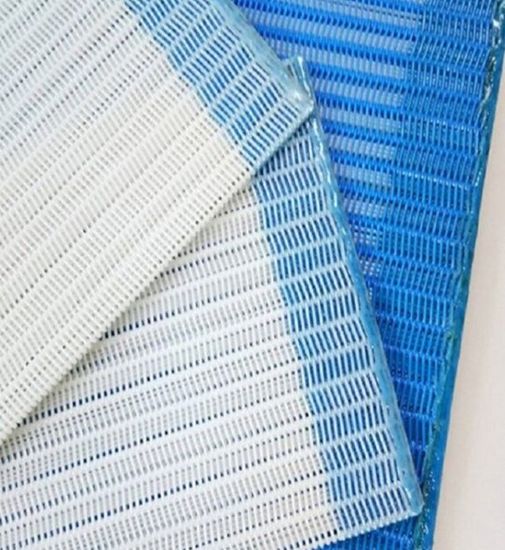


The choice of material is critical for durability and hygiene. For food processing, prioritize Food Grade Stainless Steel (SUS304 or SUS316L) to ensure corrosion resistance and compliance with safety standards. For high-temperature applications, such as industrial ovens, specify heat-resistant alloys that can withstand temperatures exceeding 600°C without losing structural integrity. Always verify the wire diameter and rod pitch to ensure they match your specific load requirements.
Technical compatibility hinges on three factors: Pitch, Width, and Side Edge Design. You must provide the supplier with the exact lateral pitch and longitudinal pitch measurements. Additionally, specify the edge type—whether it is welded, U-shaped link, or side chain driven—to ensure seamless integration with your drive sprockets. Requesting a CAD drawing for approval before production is a standard industry best practice to avoid installation failures.
If the belt is used in food processing, it must meet FDA (U.S. Food and Drug Administration) or EC 1935/2004 (EU) regulations for food contact materials. Ensure the supplier provides a Material Test Report (MTR) and a Certificate of Compliance (CoC). For the manufacturing process itself, look for ISO 9001:2015 certification to guarantee consistent quality control and traceability of the raw materials.
A high-quality belt should demonstrate minimal elongation under tension and smooth articulation at the joints. Look for belts with reinforced edges if your system involves tight turns. The tensile strength should be rated at least 20% higher than your maximum operational load. Furthermore, check for surface finish smoothness; a high-polish finish prevents bacterial buildup and facilitates easier cleaning in hygienic environments.
Utilize Third-Party Inspection services (such as SGS or Intertek) to conduct a pre-shipment inspection. Specifically, request a PMI (Positive Material Identification) test to confirm the stainless steel grade. When sourcing via Made-in-China.com, prioritize Audited Suppliers who have undergone on-site verification of their production capabilities and quality management systems.
Spiral mesh belts are heavy and often custom-made, leading to typical production times of 15–25 days. Negotiate a staggered payment schedule (e.g., 30% deposit, 70% against BL copy). For shipping, Sea Freight (FCL or LCL) is the most economical for these heavy items. Ensure the supplier uses fumigated wooden crates or heavy-duty steel pallets to prevent deformation during long-transit maritime shipping.
Always use Secure Payment services provided by reputable B2B platforms to ensure your funds are protected until shipping is confirmed. Be aware of Anti-Dumping Duties that may apply to stainless steel products in certain regions (like the EU or USA). Ask the supplier to provide a Certificate of Origin (CO), which may help you benefit from Free Trade Agreements (FTAs) and reduce import tariffs.