

Sanitary pressure transmitter
I have found results from7000+products and3000+suppliers aboutSanitary pressure transmitter
Commonly Used:
US$
—
Customization Available
Sample Available
Manufacturer First
Product Attributes:
Remote Pressure Transmitter
Medium & High Temperature Pressure Transmitter
Intelligent Pressure Transmitter
Normal Pressure Transmitter
Differential Pressure Transmitter
Explosion-proof Pressure Transmitter
Electromagnetic Flow Meter
Piezoresistive Pressure Sensor
Negative Pressure Transmitter
Capacitive Pressure Transmitter
IP Rating: IP65
Certification: CE
Customized: Customized
Feature: Intelligent
Measuring Medium: Gas
Accuracy Grade: 1.0G
Pressure range: 0.001MPa~35MPa
Contact: Contact
Output Signal Type: Analog Type
Material: Metal
Structure Design: Flange Type
Pressure Range: High Pressure
Display Type: LCD
Main Application: Water
Sensor: Tube/Flange
Application: Industrial Production
Measuring Media: Liquid
Measuring Principle: Mechanics
Measurement Object: Open Channel
Component: SemiConductor Type
Diffused Silicon Pressure Transmitter
Production Process: Injection
Thread Type: G
Wiring Type: Two-Wire
Principle: Magnetic Sensors
Range: >0-30m
Measurement Accuracy: ±3mm
Accuracy: 0.1%
Kind: Float
Warranty: 1 Year
Process Temperature: -20℃~80℃
Diffused Silicon Pressure Transmitter
Strain Gauge Pressure Transmitter
Ceramic Pressure Transmitter
IP Rating: IP67
IP Rating: IP68
IP Rating: IP20
IP Rating: IP56
Certification: ISO
Certification: CCC
Certification: DIN
Certification: ANS
Certification: GB
Certification: RoHS
Measuring Medium: Liquid
Measuring Medium: Steam
Accuracy Grade: 0.5G
Accuracy Grade: 0.1G
Pressure range: 0~1.5kPa
Output Signal Type: Digital Type
Material: Stainless Steel
Material: SS304
Main Application: Wastewater
Main Application: Fuel Oil
Main Application: Nature Gas
Main Application: Corrosive Liquid/Gas
Mechanical Structure Type
Strain Gauge Pressure Transmitter
Production Process: Integration
Production Process: Normal Wirewound

Satisfies 1 requirement
All Stainless Steel Radial Sanitary Diaphragm Pressure Transmitter Provide Customer Service
US$32.00
10 Pieces(MOQ)

Satisfies 1 requirement
Sanitary Flush Film Tri-Clamp 50.5mm 64mm Pressure Transmitter for Beverage Juice Milk Liquid
US$220.60
1 Piece(MOQ)

Satisfies 1 requirement
High Temperature Sanitary Pressure Transmitter for for Food Beer Milk Application Measurement
US$45.00-60.00
1 Piece(MOQ)

Satisfies 1 requirement
Gpt210 Clamp Type Flush Diaphragm Sanitary Piezoresistive Pressure Transmitter
US$51.40
1 Piece(MOQ)

Satisfies 1 requirement
Sanitary Pressure Transmitter for Pharmaceutical Process Pressure Monitoring Control Systems
US$100.00-180.00
1 Piece(MOQ)

Satisfies 1 requirement
Pressure Sensor 3051s PMC71 Hydraulic Pressure Sensor Sanitary Pressure Transducer Static Pressure Transmitter
US$100.00-500.00
1 Piece(MOQ)

Satisfies 1 requirement
Pharmaceutical Grade Sanitary Single Flange Pressure Transmitter with Capillary for Wfi
US$750.00-800.00
1 Piece(MOQ)

Satisfies 1 requirement
Sanitary Flush Diaphragm Pressure Transmitter for Food Milk Oil Water
US$229.00-399.00
1 Piece(MOQ)

Satisfies 1 requirement
Sanitary Pressure Transmitter with Flush Diaphragm for Food and Beverage Industry in 316L Stainless Steel
US$70.00-90.00
5 Pieces(MOQ)

Satisfies 1 requirement
Clamp Mounting Pressure Level Transmitter Level Meter for Sanitary Industry
US$246.00
1 Piece(MOQ)

Satisfies 1 requirement
Aice Tech Industrial Sanitary Pressure Transmitter for Accurate Measurement
US$115.20-192.00
1 Piece(MOQ)

Satisfies 1 requirement
150º C High Temperature Resistant Non-Cavity Corrugated Flat Membrane Explosion-Proof Sanitary Pressure Transmitter
US$210.99-289.99
1 Piece(MOQ)


Satisfies 1 requirement
Pharmaceutical Factory, Food Factory Special Sanitary Pressure Transmitter
US$120.00-250.00
1 Piece(MOQ)

Satisfies 1 requirement
Rosemount Sanitary Pressure Transmitter 2090fa Absolute & Gauge
US$95.00-99.00
1 Piece(MOQ)

Satisfies 1 requirement
Clouds Sanitary Flush Diaphragm Pressure Transmitter 3A Tri Clamp for Food Beverage Dairy Processing
US$110.00-145.00
10 Pieces(MOQ)

Satisfies 1 requirement
PCM300kf Sanitary Pressure Transmitter 4-20mA Industrial Pressure Sensor Quick Clamp Type Pressure Transmitter
US$100.00-199.00
1 Piece(MOQ)

Satisfies 1 requirement
Stainless Steel Sanitary Pressure Transmitter for Milk Beer Food Industry
US$30.00-50.00
1 Piece(MOQ)

Satisfies 1 requirement
Sanitary Flush Diaphragm G1 Thread 4-20mA 0-5V Pressure sensor Transducer Transmitter with HIGHJOIN HPM711
US$70.00-95.00
1 Piece(MOQ)

Satisfies 1 requirement
304 316 Stainless Steel Food Juice Milk Industry Flat Membrane Sanitary Pressure Transmitter
US$70.00-90.00
2 Pieces(MOQ)

Satisfies 1 requirement
Robust Sanitary High Accuracy Pressure Transmitter for Food Industry
US$200.00-1,000.00
1 Piece(MOQ)
Satisfies 1 requirement
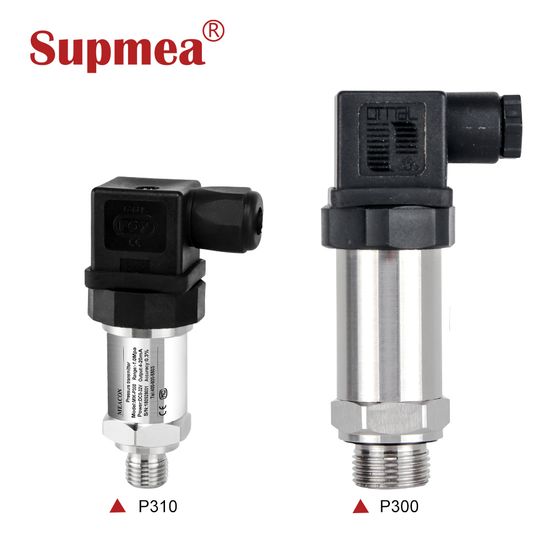
High Pressure Sensor 420mA Pressure Sensor Transducer Sanitary Pressure Transmitter
US$45.00-60.00
2 Pieces(MOQ)

Satisfies 1 requirement
Food Grade Flat Diaphragm Sanitary Pressure Transmitter with Clamp PCM350K (WTR11)
US$45.00-55.00
5 Pieces(MOQ)


Satisfies 1 requirement
316L Clamp Flush Diaphragm Sanitary Transducer Pressure Sanitary Pressure Transmitters for Medical
US$80.00-85.00
1 Piece(MOQ)

Satisfies 1 requirement
Huatian Cyb4601 Sanitary Sanitary Diaphragm Pressure Sensor Gas Liquid Pressure Transmitter
US$19.84-21.44
1 Piece(MOQ)

Satisfies 1 requirement
Flush Diaphragm Sanitary Pressure Transmitter for Food / Beverage / Pharma
US$95.00-555.00
1 Piece(MOQ)

Satisfies 1 requirement
Pm425 Sanitary Tri Clamp Medical Flush Diaphragm Pressure Sensor Pressure Transmitter
US$85.00
1 Piece(MOQ)

Satisfies 1 requirement
Pressure Sensor 4-20mA Flush Diaphragm Sanitary Pressure Transmitter Transducer
US$15.00-120.00
1 Piece(MOQ)
Sourcing guidance for Sanitary Pressure Transmitter
What are the essential material and design requirements for a Sanitary Pressure Transmitter?
The transmitter must feature a flush diaphragm design to prevent media buildup and bacterial growth. The wetted parts should be made of 316L Stainless Steel or higher-grade alloys to ensure corrosion resistance. Furthermore, the internal filling fluid must be FDA-approved food-grade silicone oil or vegetable oil to prevent contamination in case of diaphragm rupture.
Which industry certifications are mandatory for global compliance in food and pharma sectors?
Buyers should prioritize suppliers with 3-A Sanitary Standards or EHEDG certification, which guarantee the equipment is designed for Clean-in-Place (CIP) and Sterilization-in-Place (SIP) processes. For the European market, CE marking and RoHS compliance are essential, while pharmaceutical applications may require USP Class VI material validation.
How do I ensure technical compatibility with my existing processing system?
Verify the output signal type, typically 4-20mA (HART protocol), RS485 (Modbus), or 0-10V. You must also match the process connection type, such as Tri-Clamp (ISO 2852), Varivent, or DIN 11851, and ensure the pressure range and accuracy class (typically ±0.25% or ±0.5% FS) meet your specific process control needs.
What performance benchmarks should be evaluated for high-temperature sterilization environments?
The transmitter must withstand CIP/SIP temperatures, often reaching 130°C to 150°C. Look for units with active temperature compensation to prevent thermal drift. The Ingress Protection (IP) rating should be at least IP67 or IP68 to handle high-pressure washdowns common in sanitary facilities.
Cross-Border Procurement & Risk Management for Industrial Sensors
How can I mitigate the risk of receiving substandard or non-compliant industrial sensors?
Request a Material Test Report (MTR) and a Calibration Certificate for every unit before shipment. For large orders, hire a third-party inspection service (like SGS or Intertek) to verify the surface roughness (Ra < 0.4μm) and weld quality at the supplier's factory.
What are the best practices for negotiating with Chinese industrial instrument suppliers?
Focus on Total Cost of Ownership (TCO) rather than just the unit price. Negotiate for extended warranties (24 months) and the inclusion of spare gaskets or mounting kits. Use Made-in-China.com's Secured Trading services to ensure payment is only released upon confirmation of technical compliance.
What shipping precautions are necessary for sensitive pressure measurement instruments?
Transmitters contain sensitive diaphragms and electronics; ensure the supplier uses anti-static vacuum packaging and double-walled corrugated boxes with foam inserts. For international air freight, specify 'Fragile' labeling and ensure the sensors are calibrated for the atmospheric pressure conditions of the destination if necessary.
How do I handle international trade policy and customs issues for high-tech sensors?
Confirm the correct HS Code (typically 9026.20) to determine import duties. Ensure the supplier provides a Certificate of Origin to take advantage of any Free Trade Agreements (FTAs). Be aware of Export Control regulations if the transmitters feature high-end encryption or specialized military-grade alloys.