
Satisfies 1 requirement
Non Slip Industrial Seffty Shoes Steel Toe Security Guard Boots Safety Style Shoes for Construction, Mechanics, Factory Workshop
US$11.39-13.39
300 Pairs(MOQ)

I have found results from70000+products and20000+suppliers aboutSafety shoes toe factory


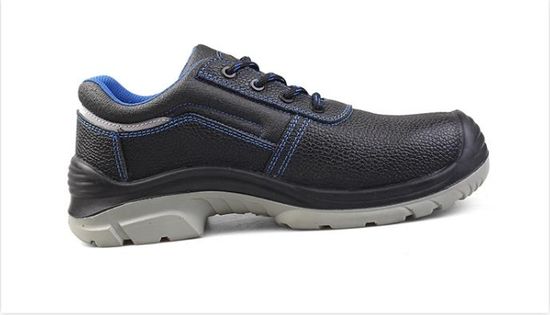


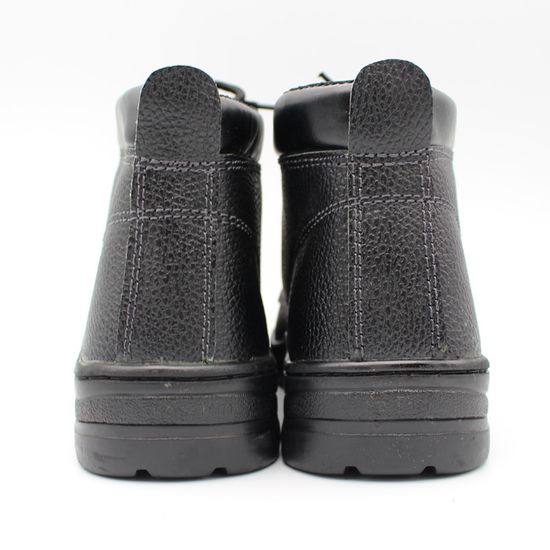


When sourcing from a factory, you must ensure the toe caps meet EN ISO 20345:2011 (European) or ASTM F2413-18 (US) standards. The toe cap must withstand an impact energy of 200 Joules and a compression load of at least 15kN. For the Canadian market, look for the CSA Z195-14 certification. Always request official test reports from accredited third-party labs like SIntertek or SGS to verify these safety ratings.
Steel toes are the most cost-effective and offer the thinnest profile, but they are heavy and conduct heat/electricity. Composite toes (plastic/carbon fiber) are non-metallic, making them ideal for security-sensitive environments (airports) and providing better thermal insulation in cold climates. Carbon fiber is the premium choice, offering the highest strength-to-weight ratio, though it comes at a significantly higher price point.
Focus on the injection molding or cold stamping precision. For steel toes, check for anti-rust coating (electrophoretic painting) to prevent corrosion. For the final shoe assembly, ensure the bonding strength between the toe cap and the upper/sole meets the minimum 4.0 N/mm requirement to prevent detachment during heavy use. Verify that the factory uses automated cutting and lasting machines to ensure consistency in toe box dimensions.
Request a wide-fit mold option, as narrow toe caps are a common source of worker discomfort. Ensure the factory adds a latex or foam comfort strip at the back edge of the toe cap to prevent it from cutting into the wearer's foot during flexion. Evaluate the internal volume of the toe box to ensure it accommodates orthopedic insoles if required by your target market.
The biggest risk is compliance failure at customs, where products labeled as 'safety shoes' fail to meet local PPE (Personal Protective Equipment) regulations, leading to seizures. Another risk is material substitution, where a factory uses sub-standard alloy instead of hardened steel. To mitigate this, use Made-in-China.com's Secured Trading services and mandate a Pre-Shipment Inspection (PSI) focusing on impact testing.
Negotiate based on raw material price indexes (e.g., steel or polymer market rates). For custom molds, expect an MOQ of 1,000 to 3,000 pairs. You can often reduce the unit price by 5-8% by committing to a yearly volume contract rather than one-off spot orders. Always clarify if the quoted price includes customized packaging and labeling required for your region.
Safety shoes are heavy; therefore, sea freight (LCL or FCL) is the only economically viable option for bulk orders. Ensure the factory uses moisture-absorbent silica gel packets in every box and double-walled corrugated cartons to prevent crushing, as the weight of the steel toes can damage bottom-layer packaging during long transit. For the US market, ensure the Country of Origin (COO) is clearly marked on both the shoe tongue and the box to avoid CBP delays.
Prioritize Audited Suppliers who have undergone on-site verification by independent inspection companies. Check their Business License to ensure their scope includes 'Manufacturing' and not just 'Trading.' Review their Export Experience—suppliers who regularly ship to the EU or North America are more likely to understand and adhere to strict PPE Directive (EU) 2016/425 requirements.