
Satisfies 1 requirement
Rail Machine Petrol Engine Concrete Sleeper Drilling Machine for Railway Track Maintenance Portable Drilling Anchor Machine
US$588.00-662.00
1 Piece(MOQ)

I have found results from80000+products and20000+suppliers aboutRailway track machinery


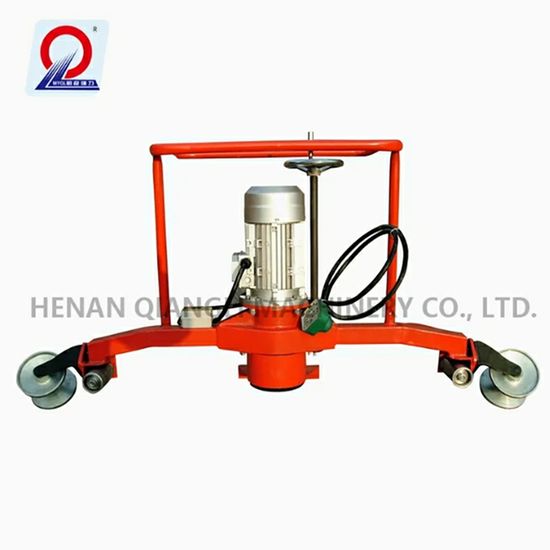


When evaluating railway machinery such as tamping machines, rail grinders, or ballast regulators, you must prioritize engine reliability (e.g., Cummins or Deutz engines) and hydraulic system precision. Ensure the equipment supports the specific track gauge of your region (e.g., 1435mm standard gauge). Key performance metrics include working speed (km/h), tamping depth accuracy, and fuel efficiency. For electronic components, look for IP65 or higher ingress protection ratings to ensure durability in harsh outdoor environments.
Compliance is non-negotiable in the railway sector. Ensure the machinery meets ISO 9001 for quality management and CE marking for European safety standards. Specifically for railway applications, look for adherence to EN 14033 (safety requirements for rail-bound construction and maintenance machines) or AAR (Association of American Railroads) standards if exporting to North America. Always request welding certifications (ISO 3834) and non-destructive testing (NDT) reports for critical structural components.
Request a factory acceptance test (FAT) video or a live remote inspection via Made-in-China.com's audited supplier services. Verify the use of high-strength wear-resistant steel (e.g., Hardox) in components that contact ballast. Ensure the machinery includes emergency braking systems, overload protection, and fail-safe hydraulic locks. For long-term durability, confirm the anti-corrosion treatment applied to the chassis, especially for equipment used in humid or coastal climates.
Modern procurement should focus on PLC-based control systems with multi-language interfaces. High-end machinery should offer GPS/GNSS integration for precision positioning and telematics for remote diagnostics, allowing your technical team to monitor machine health in real-time. Compatibility with BIM (Building Information Modeling) software for track maintenance scheduling is a significant advantage for large-scale infrastructure projects.
Railway machinery is often oversized and heavy, requiring Breakbulk or Flat Rack container shipping. You must confirm the supplier's experience in seaworthy packaging and professional lashing to prevent shifting during transit. Ensure the quote clearly defines Incoterms (preferably CIF or DAP) and includes marine insurance that covers the full replacement value of the high-capital equipment.
Focus on the Total Cost of Ownership (TCO) rather than just the initial purchase price. Negotiate for a comprehensive spare parts package (filters, seals, tamping tines) to be included for the first 2,000 operational hours. Request a staggered payment schedule linked to production milestones: 30% deposit, 40% after successful FAT, and 30% upon presentation of the Bill of Lading.
Utilize Secured Trading services on Made-in-China.com to protect your funds until delivery. It is highly recommended to hire a third-party inspection agency (like SGS or BV) to conduct a pre-shipment inspection. This inspection should verify that the serial numbers of key components (engines, pumps) match the technical data sheets provided during the negotiation phase.
Given the complexity of the machinery, insist on a minimum 12-24 month warranty. Confirm the availability of on-site commissioning and operator training—many top-tier suppliers provide engineers to fly to your location for initial setup. Ensure the supplier maintains a digital parts catalog and guarantees the availability of critical components for at least 10 years post-purchase.