
Satisfies 1 requirement
730g Oyster Sauce Wholesale Pack for Retail and Food Distribution
US$7.00-23.00
300 Boxes(MOQ)

I have found results from4000+products and1000+suppliers aboutOyster sauce


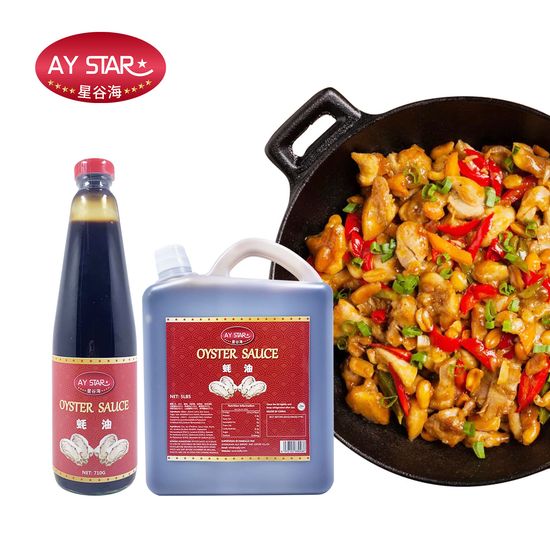


The most critical factor is the oyster extract content; premium sauces typically contain a higher percentage of real extract rather than just artificial flavorings. Check the viscosity and color, which should be a rich, dark brown with a glossy sheen, indicating proper caramelization and concentration. Additionally, evaluate the protein content on the nutritional label, as higher protein often correlates with a higher concentration of natural oyster juice.
Suppliers must adhere to global standards such as HACCP (Hazard Analysis and Critical Control Points) and ISO 22000 for food safety management. For specific markets, ensure the product has FDA registration (USA), EFSA compliance (EU), or Halal/Kosher certifications if targeting specific dietary demographics. Always request COA (Certificate of Analysis) for every batch to verify heavy metal limits and microbial safety.
Oyster sauce produced via traditional boiling and concentration methods tends to have a more complex flavor profile. To ensure a shelf life of 18–24 months, suppliers should use vacuum-sealed glass bottles or BPA-free plastic containers. Ensure the manufacturer utilizes UHT (Ultra-High Temperature) processing or proper pasteurization to maintain stability without excessive reliance on chemical preservatives like sodium benzoate.
Most large-scale manufacturers on Made-in-China.com offer private labeling (OEM) where you can customize the bottle shape, label design, and outer carton. Furthermore, you can request formula adjustments, such as MSG-free, gluten-free, or low-sodium versions, to meet the health-conscious demands of your specific target market.
The main risks include leakage and breakage due to improper palletization. Ensure the supplier uses five-layer corrugated export cartons and plastic shrink-wrap for pallet stability. Additionally, temperature fluctuations during sea transit can affect the sauce's consistency; consider requesting reefer containers if shipping through extremely hot climates to prevent fermentation or spoilage.
Conduct due diligence by checking their Business License and Food Export Permit. Use Made-in-China.com’s audited supplier reports to verify their factory scale, production capacity, and previous export history. Requesting a factory video tour or a third-party inspection by companies like SGS or Intertek before final payment is highly recommended.
Focus on Total Landed Cost rather than just the unit price. Negotiate lower MOQs (Minimum Order Quantities) for initial trial orders to test market response, but aim for tiered pricing where costs drop by 10-15% for full container loads (FCL). Discuss Incoterms clearly; FOB (Free On Board) is generally preferred for buyers who have their own freight forwarders to control shipping costs.
Ensure all labels are translated into the destination language and include mandatory nutritional facts, ingredient lists, and allergen warnings (specifically shellfish). Work with a customs broker to confirm the HS Code (typically 2103.90) and check for any anti-dumping duties or specific import quotas that may apply to condiments from China in your region.