
Satisfies 1 requirement
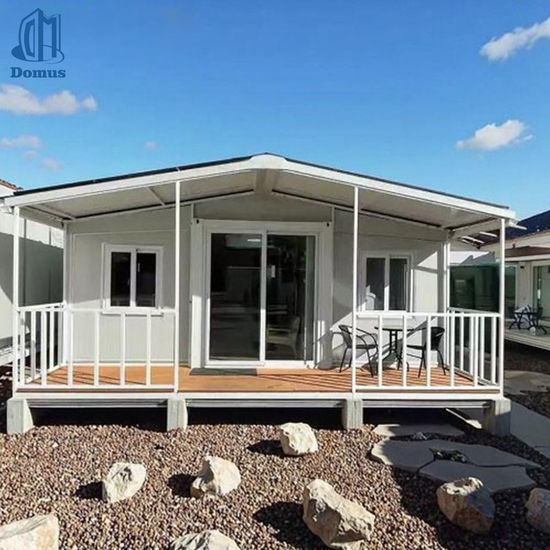
2.8m Easy to Assemble Wellcamp Standard Packing Motor Home Container House
US$1,600.00-2,200.00
8 Pieces(MOQ)

I have found results from200000+products and70000+suppliers aboutMotor house



When evaluating a Motor House, prioritize the chassis stability and engine performance, as these are the foundation of vehicle safety. Key specs include GVWR (Gross Vehicle Weight Rating), engine displacement (e.g., 2.0T or 3.0T diesel), and transmission type (Automatic is preferred for rental fleets). For the living area, ensure the use of lightweight, eco-friendly sandwich panels for insulation and lithium iron phosphate (LiFePO4) battery systems (typically 400Ah-800Ah) for off-grid power reliability.
Compliance varies significantly by destination. For the US market, DOT (Department of Transportation) and EPA standards are mandatory for the chassis, while NFPA 1192 covers RV fire safety. For the EU market, WVTA (Whole Vehicle Type Approval) and CE certification for electrical components are required. Ensure the supplier provides COC (Certificate of Conformity) and meets Euro VI or equivalent emission standards to guarantee registration eligibility in the target country.
Request a 24-hour high-pressure rain test report to ensure no leakage in joints or slide-outs. Verify that the body uses seamless fiberglass (FRP) or aluminum skin with aluminum alloy framing rather than wood to prevent rot. For high-end models, check for electrophoresis treatment on the chassis to prevent corrosion, especially if the vehicle will be used in coastal or snowy regions.
Professional suppliers on Made-in-China.com usually offer OEM/ODM services, including interior layout modifications (e.g., bunk beds vs. U-shaped sofas), solar panel capacity upgrades, and right-hand drive (RHD) conversions for markets like Australia or the UK. Buyers should also negotiate branding options, such as custom exterior decals and localized control panel languages.
The biggest risk is non-compliance with local road safety regulations, which can lead to customs seizure. Mitigate this by hiring a third-party inspector (like SGS or TÜV) to conduct a pre-shipment inspection focusing on braking systems, signal lights, and gas piping safety. Additionally, use Secure Payment services on Made-in-China.com to ensure funds are only released after bill of lading verification.
Due to their large dimensions, Motor Houses are typically shipped via Ro-Ro (Roll-on/Roll-off) vessels, which is safer for finished vehicles. If the unit fits, 40HC containers can be used to reduce costs, but this often requires specialized loading ramps and partial disassembly (like removing wheels or AC units). Always clarify Incoterms; CIF or DAP are common, but FOB gives the buyer more control over the specialized logistics required for oversized cargo.
Since returning a vehicle is impractical, negotiate for a 1-2% spare parts kit (including water pumps, sensors, and seals) to be included in the bulk price. Ensure the contract stipulates remote technical support via video and a warranty on core components (chassis/engine) that can be serviced by local authorized workshops. Demand English-version wiring diagrams and plumbing schematics for all units.
RV production cycles often range from 45 to 90 days. To lock in prices, use a fixed-price contract with a 30% deposit. Monitor exchange rate trends and consider using hedging tools or paying in RMB if the supplier offers a discount for doing so. Regularly request weekly production photos/videos to ensure the timeline is met and quality is maintained throughout the build.