
Satisfies 1 requirement
Modular Outdoor Space Capsule House Factory Price Fashion Modern Mobile Hotel Tiny Apple House Prefabricated Steel Structure Cabin with Bedroom Prefab House
US$20,888.00-35,888.00
1 units(MOQ)

I have found results from200000+products and100000+suppliers aboutModern prefabricated house


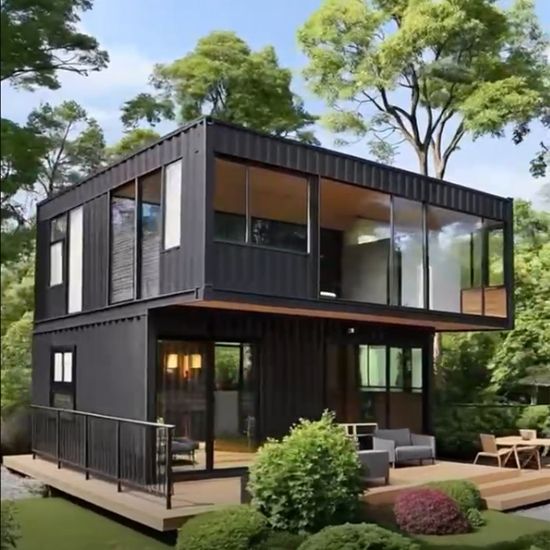


When sourcing modern prefabricated houses, focus on the structural framework, typically requiring hot-dip galvanized steel to ensure corrosion resistance for at least 20-50 years. Wall panels should utilize high-density sandwich panels (EPS, Rockwool, or PU) with a thickness of at least 50mm-100mm for optimal thermal insulation. Additionally, ensure the floor loading capacity meets international standards, generally ≥2.0kN/m² for residential use.
Compliance varies by destination. For the EU market, look for CE marking and adherence to Eurocodes. For the US and Canada, products must meet ASTM standards and local IBC (International Building Code) requirements. It is critical to verify fire rating certifications (Class A or B1) and wind resistance ratings, ensuring the structure can withstand wind speeds of 100-120km/h or higher in coastal regions.
Prioritize suppliers offering Low-E double-glazed windows and thermal break aluminum profiles to minimize heat transfer. Inquire about the U-value of the building envelope; lower values indicate better insulation. Sustainable sourcing can be verified through ISO 14001 (Environmental Management) and the use of recyclable steel materials and eco-friendly interior finishes that meet E0 or E1 formaldehyde emission standards.
A top-tier supplier should provide BIM (Building Information Modeling) or AutoCAD design support to allow for ±5% dimension adjustments. Ensure the supplier can integrate pre-installed electrical and plumbing systems that comply with the buyer's local voltage (e.g., 110V vs 220V) and pipe threading standards. Modular designs should allow for easy scalability, enabling units to be stacked or joined seamlessly.
The biggest risks include damage during maritime transit and non-compliance with local zoning laws. To mitigate this, use Made-in-China.com's Secured Trading services and insist on professional sea-worthy packaging (steel frames or reinforced crates). Always conduct a pre-shipment inspection (PSI) via third parties like SGS or Intertek to verify structural integrity before the final payment.
Negotiate based on Total Cost of Ownership (TCO) rather than just the unit price. For orders exceeding 5-10 units, aim for a 10-15% volume discount. Request FOB (Free On Board) terms to maintain control over shipping costs, as prefab units are bulky and freight rates fluctuate. Ask for a 2-5% spare parts kit (extra bolts, sealant, touch-up paint) to be included at no extra cost.
Ensure the supplier provides a detailed loading plan to maximize 40HQ container space, reducing shipping costs per unit. Buyers must confirm the availability of detailed installation manuals and video tutorials. For large-scale projects, negotiate for the supplier to provide remote technical guidance or on-site supervision. Verify that the HS Code (typically 940690) is correctly declared to avoid customs delays and unexpected tariffs.
Only engage with Audited Suppliers on Made-in-China.com who have undergone on-site factory verification. Check the supplier's registered capital and export history to ensure they can handle large-scale manufacturing. Utilize Escrow-based payment systems where funds are only released upon the presentation of a Bill of Lading (B/L) and successful quality validation.