
Satisfies 1 requirement
Reusable 100% Silicone Manual Resuscitator Size Infant PE Bag Packaging
US$9.00-12.00
100 Pieces(MOQ)

I have found results from200000+products and100000+suppliers aboutMedical device packaging price


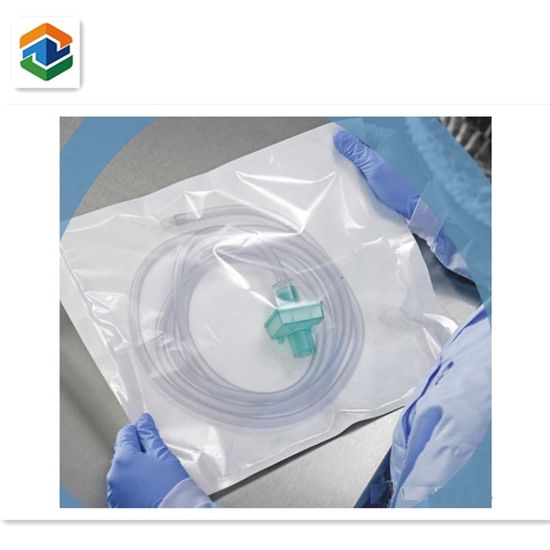


Medical packaging must adhere to ISO 11607, which is the primary international standard for terminally sterilized medical device packaging. You should prioritize materials like DuPont™ Tyvek® for its superior microbial barrier and breathability, or medical-grade paper for steam sterilization. Ensure the supplier provides a Certificate of Analysis (CoA) confirming the material is non-toxic, biocompatible (ISO 10993), and capable of maintaining a sterile barrier for the duration of the product's shelf life.
The choice of sterilization—such as Ethylene Oxide (EO), Gamma Irradiation, or Steam (Autoclave)—directly impacts material selection. For example, EO sterilization requires breathable materials like Tyvek® or porous medical paper to allow gas penetration and evacuation. Gamma irradiation requires polymers that do not become brittle or yellow. Price fluctuations are often tied to the grammage (GSM) of these specialized materials and their resistance to specific sterilization cycles.
Buyers must evaluate seal strength (ASTM F88) and burst pressure (ASTM F1140) to ensure the pouch or tray doesn't rupture during transit or storage. For sharp instruments, specify puncture resistance levels. It is highly recommended to request accelerated aging test reports to verify that the seal remains intact over the intended 3 to 5-year shelf life.
To achieve the best Medical Device Packaging Price, consider bulk purchasing to reduce the unit cost, as high-speed rotogravure or flexographic printing setups involve significant fixed costs. Standardizing pouch sizes across multiple product lines can lower Minimum Order Quantities (MOQs) and reduce tooling charges for blister trays. Additionally, sourcing from suppliers on Made-in-China.com who offer integrated cleanroom production (Class 100,000/ISO 8) can reduce the risk of contamination-related losses.
The biggest risk is customs seizure or regulatory rejection due to lack of compliance documentation. Ensure the supplier is registered with the FDA (for US markets) or holds a CE certificate (for EU markets). Always verify that the manufacturer’s ISO 13485 (Medical Devices – Quality Management Systems) certification is valid and covers the specific scope of packaging production.
Given that medical-grade polymers are subject to raw material price volatility, negotiate a price adjustment formula based on market indices. Request a Quality Agreement that stipulates no changes to raw material resins or suppliers can be made without prior written notification and re-validation, ensuring consistent quality despite price shifts.
Use Trade Assurance services provided by platforms like Made-in-China.com to protect your payment until the goods are verified. For high-value contracts, implement a staged payment schedule: 30% deposit, 40% after pre-shipment inspection (PSI) by a third party (like SGS or Intertek), and the remaining 30% upon receipt of the Bill of Lading.
Medical packaging is sensitive to humidity and extreme temperatures. Specify climate-controlled shipping or use desiccants and moisture-barrier outer cartons. Ensure the pallets are plastic (not wood) to meet cleanroom entry requirements at the destination, and insist on double-corrugated export cartons to prevent physical deformation of sterile barriers during sea freight.