
Satisfies 1 requirement
Hot! ! ! Orgibinal Used John Deere 310se Backhoe Loader Secondhand Backhoe Loader
US$11,000.00
1 Piece(MOQ)

I have found results from5000+products and2000+suppliers aboutJohn deere loader


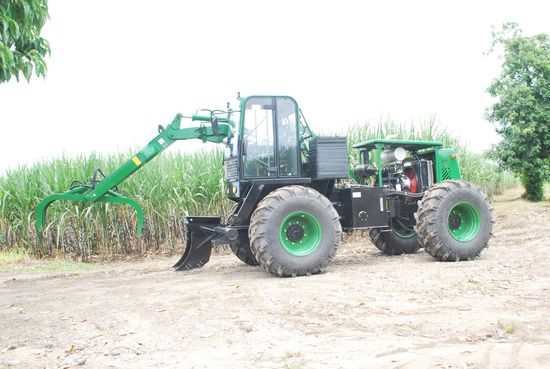


When selecting a loader, you must prioritize the Rated Operating Capacity (ROC) and Engine Horsepower to ensure the machine meets your project demands. For heavy-duty applications, verify the Hydraulic Flow Rate (Standard vs. High Flow), as this determines the compatibility and efficiency of attachments like mulchers or cold planers. Additionally, inspect the Tipping Load and Lift Path (Radial vs. Vertical); vertical lift is superior for truck loading, while radial lift is better for site cleanup and grading.
Request the Product Identification Number (PIN) or Serial Number and verify it through official databases to confirm the year of manufacture and ownership history. For refurbished units, ask for detailed maintenance logs and reports on engine compression tests and hydraulic pressure tests. Ensure that critical components like the final drive, main pump, and control valves show no signs of leakage or irregular welding, which could indicate structural fatigue.
For the U.S. market, the engine must comply with EPA Tier 4 Final emission standards. For the European Union, Stage V compliance and the CE Marking are mandatory. Ensure the machine is equipped with ROPS (Roll-Over Protective Structure) and FOPS (Falling Object Protective Structure) certifications to meet international safety regulations for construction equipment.
Compact Track Loaders (CTLs) are ideal for soft, muddy, or sensitive terrain due to lower ground pressure, whereas Skid Steer Loaders (SSLs) are preferred for hard surfaces like asphalt or concrete where maneuverability is key. Large Wheel Loaders are best suited for quarrying, large-scale material handling, and infrastructure projects where high bucket capacity and rapid cycle times are essential.
Heavy machinery is typically shipped via Ro-Ro (Roll-on/Roll-off) or Flat Rack containers. Ro-Ro is often the safest and most cost-effective method for wheeled loaders. Ensure the supplier provides professional lashing and securing photos before the vessel departs. For international transit, it is vital to apply a heavy-duty anti-rust wax coating to protect the metal surfaces and hydraulic cylinders from salt air corrosion during sea transport.
The primary risk is payment fraud or non-delivery of goods. Always use Trade Assurance services provided by reputable platforms like Made-in-China.com to ensure your funds are held in escrow until shipping documents are verified. Avoid direct wire transfers to private accounts; instead, use Letter of Credit (L/C) for large transactions or Escrow payment systems to mitigate financial risk.
Focus your negotiation on the Total Cost of Ownership (TCO) rather than just the sticker price. Negotiate for a spare parts package (filters, seals, and wear parts) to be included in the initial price, which can save significant costs later. Also, discuss warranty terms—specifically whether the warranty covers only parts or also includes a labor allowance, and clarify the process for remote technical support.
Check the HS Code (typically 8429.51 for front-end loaders) against your country's tariff schedule. Be aware of anti-dumping duties or specific trade barriers that may apply to heavy machinery from certain manufacturing hubs. Consult with a licensed customs broker to calculate the exact Import Duties and VAT to avoid unexpected costs at the port of entry.