Satisfies 1 requirement
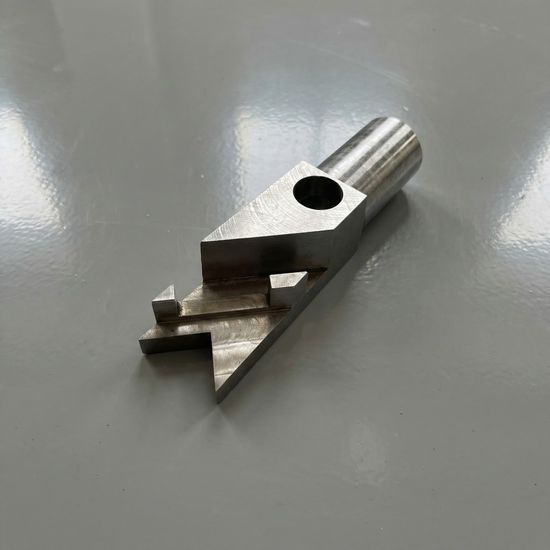
Premium CNC Machining Metal Parts for Inverter Enclosures
US$0.50-1.00
100 Pieces(MOQ)

I have found results from200000+products and70000+suppliers aboutInverter parts price


When sourcing inverter parts, technical alignment is paramount. You must verify that the voltage rating, current capacity, and switching frequency of components like IGBT modules, capacitors, and control boards match the original manufacturer's specifications. Using parts with mismatched thermal resistance or capacitance values can lead to catastrophic system failure. Always request datasheets to compare electrical characteristics and ensure the form factor/mounting dimensions are identical to avoid mechanical integration issues.
To ensure safety and longevity, prioritize parts that comply with international standards such as UL 1741 (for grid-tied inverters), CE (LVD/EMC), and RoHS for environmental safety. For critical power electronics like power transistors and cooling fans, look for suppliers with ISO 9001 certification. High-quality parts should undergo Burn-in testing and Automated Optical Inspection (AOI) during production to minimize the Infant Mortality Rate of the components in the field.
The price of inverter parts is heavily influenced by raw material costs, particularly copper for inductors/transformers and high-grade silicon for semiconductors. Silicon Carbide (SiC) or Gallium Nitride (GaN) components offer higher efficiency and heat resistance but come at a premium price compared to traditional Silicon. For capacitors, film capacitors are generally more expensive than electrolytic ones but offer a longer service life and better stability in high-voltage applications, which reduces long-term maintenance costs.
The application environment dictates the required ruggedness of the parts. For solar PV inverters installed outdoors, parts must have higher thermal stability and UV resistance. For industrial VFDs (Variable Frequency Drives), components must be resistant to vibration and electromagnetic interference (EMI). If the inverter is used in coastal or high-humidity areas, ensure the PCBs have conformal coating to prevent corrosion and short circuits.
Counterfeit parts are a significant risk in the electronics industry. To protect your investment, avoid deals that are significantly below market price. Use Made-in-China.com's 'Audited Supplier' reports to verify the manufacturer's legitimacy. Request Certificate of Conformance (CoC) and batch-specific test reports. For high-value orders, consider a third-party pre-shipment inspection to verify that the parts are new and original.
Inverter parts are subject to global semiconductor supply chain fluctuations. Negotiate based on volume-tiered pricing; even a 10% increase in order volume can often trigger a 5-8% price reduction. To secure stable lead times, consider signing a rolling forecast agreement or a blanket purchase order, which allows the supplier to reserve raw materials for your future needs, shielding you from sudden market shortages or price hikes.
Inverter parts like control boards and semiconductors are highly sensitive to Electrostatic Discharge (ESD) and moisture. Ensure the supplier uses anti-static bags and vacuum packaging with humidity indicator cards. For heavy items like transformers or large heat sinks, specify reinforced wooden crates to prevent physical damage during transit. Always clarify the Incoterms (e.g., FOB or DAP) to understand exactly where the risk of loss transfers from the seller to the buyer.
Always use secure payment methods such as Escrow services or Letters of Credit (L/C) for large transactions to ensure funds are only released upon proof of shipment. Be aware of import tariffs and HS Codes (typically under Chapter 85) for your specific country to avoid unexpected customs duties. Ensure all commercial invoices and packing lists are accurately detailed to prevent delays during customs clearance.