
Satisfies 1 requirement
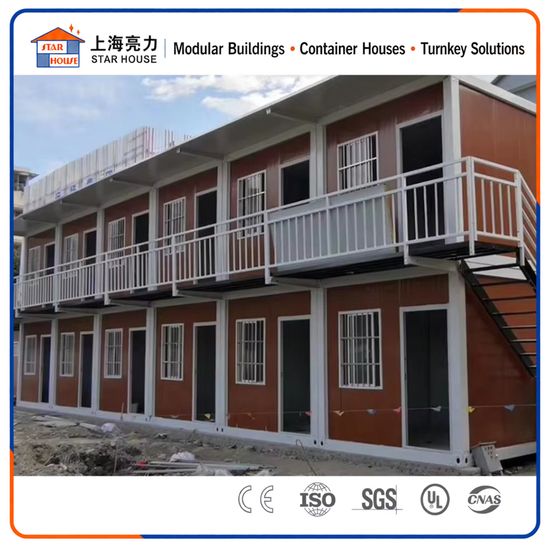
China Factory 40FT/20FT Australia/America/Canada/Europe Steel Modular/Portable/Mobile/Prefabricated/Prefab House Module/Container Restaurant Home for Sale
US$1,390.00-1,490.00
8 Sets(MOQ)

I have found results from200000+products and60000+suppliers aboutHome modular




When selecting modular home components, prioritize high-density fiberboard (HDF) or solid wood for cabinetry and galvanized steel frames for structural modules to ensure longevity. For surface finishes, ensure they are scratch-resistant and waterproof, especially for kitchen and bathroom modules. Always verify that the materials meet E1 or E0 formaldehyde emission standards to guarantee indoor air quality and safety for residential use.
Precision is key in modularity. Ensure the supplier uses CNC machining with a tolerance of less than 0.5mm to guarantee that different units fit together perfectly. Check for standardized connector systems (such as cam-locks or modular brackets) that allow for easy assembly and disassembly. If the modules include integrated electronics, confirm plug-and-play wiring compatibility with your local voltage (e.g., 110V or 220V).
For the US market, ensure products comply with ASTM standards and CARB Phase 2 for wood products. For the European market, look for CE marking and REACH compliance. If the modular units include structural housing elements, they must meet local Building Codes and Fire Safety Ratings (e.g., UL 94 or EN 13501-1) to pass customs and local inspections.
Request static load test reports; for example, modular shelving should support at least 50kg per unit, and modular sofas should withstand 20,000+ cycles of pressure testing. Check the quality of hardware—soft-close hinges and drawer slides should be rated for at least 50,000 opening/closing cycles to ensure long-term functionality in a home environment.
The biggest risks are structural damage during transit and moisture ingress. To mitigate this, insist on reinforced plywood crate packaging rather than standard cardboard. Ensure the supplier uses desiccant packs inside the packaging to prevent mold growth during long sea voyages. On Made-in-China.com, you can utilize secured payment services to ensure funds are only released after the goods pass a pre-shipment inspection.
Focus on tiered pricing based on volume and customization fees. Ask for a 5-10% discount on orders exceeding a 40HQ container. Negotiate for spare parts (2-3% extra hardware) to be included at no cost, which covers potential losses during assembly. Always clarify the Incoterms (FOB is recommended) to maintain control over your shipping costs and logistics providers.
Prioritize Audited Suppliers on Made-in-China.com who have undergone third-party onsite inspections by companies like SGS or Bureau Veritas. Request a video factory tour to see the production line in real-time and ask for case studies of previous international projects to verify their experience with export-grade modular housing or furniture.
Modular products can fall under different HS Codes (e.g., furniture vs. prefabricated buildings). Consult with a customs broker to determine the most accurate code to avoid anti-dumping duties or unexpected tariffs. Ensure the supplier provides a detailed Packing List, Commercial Invoice, and Certificate of Origin to facilitate a smooth customs clearance process.