
Satisfies 1 requirement
Stainless Steel Air Cooled Shell and Tube Heat Exchanger Price Water
US$15.00-20.00
1 Piece(MOQ)

I have found results from60000+products and10000+suppliers aboutHeat exchanger price


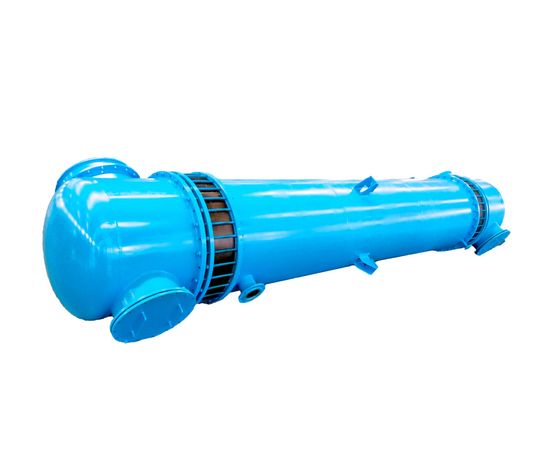


The price of a heat exchanger is primarily driven by its material of construction, heat transfer area, and pressure rating. For corrosive environments, Stainless Steel (316L) or Titanium will significantly increase the cost compared to Carbon Steel. You must also verify the design temperature and pressure; units requiring ASME Section VIII or PED certification carry a premium due to rigorous testing and thicker wall requirements. Always request the Thermal Design Data Sheet to ensure the surface area is sufficient for your specific flow rates and fluid properties.
Gasketed Plate Heat Exchangers (PHE) are generally more cost-effective for liquid-to-liquid applications due to their high efficiency and compact size. However, for high-pressure or high-temperature steam applications, Shell and Tube Heat Exchangers are necessary, though they involve higher material costs and larger footprints. Brazed Plate Heat Exchangers offer the lowest price point for HVAC and refrigeration but are non-serviceable, meaning the entire unit must be replaced if it clogs, affecting long-term Total Cost of Ownership (TCO).
B2B buyers must ensure the supplier adheres to international pressure vessel codes. Look for ISO 9001:2015 for quality management and specific product certifications like CE (PED 2014/68/EU) for the European market or ASME U-Stamp for North America. For food and beverage or pharmaceutical applications, 3-A Sanitary Standards or FDA-compliant gaskets are mandatory. Failure to meet these standards can lead to legal liabilities and operational hazards.
To achieve the best price-to-performance ratio, consider modular designs that allow for future expansion by adding plates. Requesting bulk discounts for 5+ units can typically reduce the unit price by 10-15%. Additionally, evaluate the fouling factor provided by the supplier; a well-designed unit with a proper fouling margin reduces maintenance frequency and energy consumption, leading to significant savings over the equipment's lifecycle.
The most significant risks include material substitution (e.g., using 304 stainless steel instead of 316L) and non-compliance with local pressure vessel regulations. To mitigate this, require a Material Test Report (MTR) and conduct a third-party pre-shipment inspection (such as SGS or Intertek) to verify weld quality and pressure test results before final payment.
Focus negotiations on technical transparency and after-sales guarantees. Ask for a detailed breakdown of the BOM (Bill of Materials) to ensure you aren't overpaying for standard components. Negotiate for a 12-24 month warranty period and request that the supplier includes a spare gasket set or seal kit in the initial purchase price to avoid future downtime.
Heat exchangers are heavy and sensitive to impact. Ensure the contract specifies seaworthy vacuum packaging or fumigated wooden crates with internal bracing to prevent internal tube damage. For large Shell and Tube units, confirm the Incoterms (e.g., CIF or DAP) and ensure the supplier provides a detailed packing list and HS Code (typically 8419.50) to avoid customs delays and incorrect duty applications.
Utilize secured payment terms such as a Letter of Credit (L/C) or the escrow services provided by Made-in-China.com. Avoid 100% upfront payments; a standard industry practice is 30% deposit and 70% against the Bill of Lading (B/L) after the successful completion of a Factory Acceptance Test (FAT).