
Satisfies 1 requirement
Diamond Edge Saw Blade Sharpening for Stone Cutting and Grooving
US$33.52
1 Piece(MOQ)

I have found results from8000+products and2000+suppliers aboutGrooving saw blade price


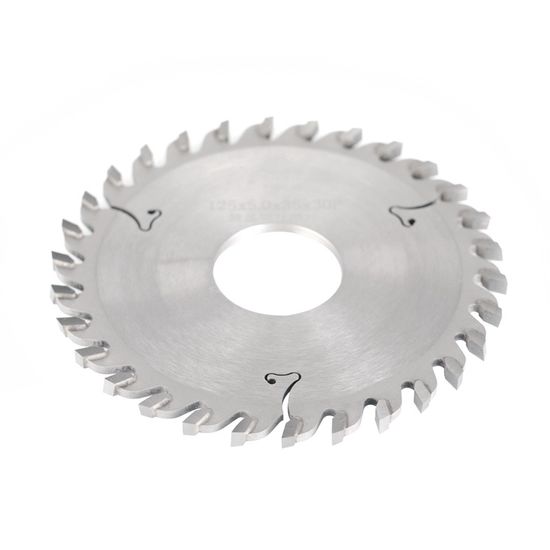


When comparing prices, you must look beyond the initial cost and evaluate the Tungsten Carbide Tipped (TCT) grade, as higher grades like C4 or K10 offer significantly longer lifespans. Ensure the bore diameter matches your machinery (e.g., 30mm or 1 inch) and check the kerf thickness; precision grooving requires a tolerance of +/- 0.05mm. Additionally, blades with laser-cut expansion slots and anti-vibration fillers may have a higher price point but prevent blade warping and reduce noise during high-speed operations.
The price is heavily influenced by the intended substrate. Blades designed for abrasive materials like MDF or particle board require specialized Chrome or Teflon coatings to reduce friction and heat buildup. While these coated blades cost 15-25% more, they provide a 30% increase in tool life, making them more economically feasible for high-volume production lines compared to standard uncoated steel blades.
For international trade, ensure the blades comply with EN 847-1 safety standards, which regulate the design of chip-thickness limitation to prevent kickback. Suppliers should provide ISO 9001 certification for their manufacturing process. If exporting to the European market, the CE mark is essential to verify that the tool meets health, safety, and environmental protection requirements.
Request a technical data sheet and a sample for run-out testing. A high-quality blade should have a radial run-out of less than 0.02mm. You should also ask for microscopic photos of the tooth welding; high-frequency silver brazing is the industry standard for preventing tooth loss during heavy-duty grooving tasks.
The most common risks include material substitution (using lower-grade steel than quoted) and shipping damage leading to micro-cracks in the carbide tips. To mitigate this, use Made-in-China.com's Secured Trading services and insist on protective plastic dipping for the teeth and vacuum-sealed packaging to prevent rust during sea freight.
Focus on the Total Cost of Ownership (TCO) rather than just the unit price. Negotiate for tiered pricing where the cost drops by 10-15% at the 500-unit threshold. Ask for OEM branding (laser etching) to be included in the price for orders exceeding a certain volume, and request Net-30 payment terms after a successful initial transaction to improve your cash flow.
Saw blades are classified under HS Code 8202.31 (Circular saw blades with working part of steel). Be aware of anti-dumping duties that some regions (like the EU or USA) may apply to specific steel products. Always clarify the Incoterms; for heavy industrial tools, FOB (Free On Board) is often preferred as it allows the buyer to control the shipping costs and choose a carrier experienced in handling heavy, sharp hardware.
Always verify if the supplier is an Audited Supplier on Made-in-China.com, which ensures their business license and production capabilities have been verified by third-party agencies like SGS or Intertek. Avoid direct wire transfers to private accounts; instead, use escrow-based payment systems that release funds only after you have confirmed receipt and basic inspection of the goods.