
Satisfies 1 requirement
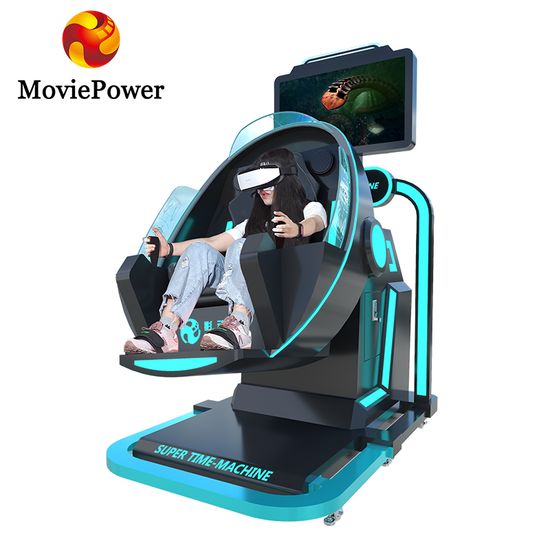
360 Motion Simulator Supplier Vr 3D Motion Chair Arcade Game
US$8,599.00
1 Piece(MOQ)

I have found results from20000+products and10000+suppliers aboutGame vr




When selecting VR hardware, prioritize Resolution per eye (at least 2K or higher) to minimize the 'screen-door effect' and a Refresh Rate of 90Hz to 120Hz to ensure smooth motion and reduce motion sickness. Additionally, verify the Field of View (FOV), where a range of 90 to 110 degrees is standard for immersive gaming. For standalone units, check the Processor (e.g., Snapdragon XR2 series) and Battery Life (typically 2-3 hours of active play).
As electronic devices with wireless capabilities, VR headsets must meet CE (Europe), FCC (USA), and RoHS (Restriction of Hazardous Substances) certifications. Since the device sits close to the eyes and skin, ensure the materials used in the face padding are hypoallergenic and meet REACH standards. For products with integrated batteries, UN38.3 and MSDS reports are essential for legal and safe international shipping.
Determine if the system uses Inside-out tracking (cameras on the headset) or Outside-in tracking (external base stations). Inside-out is more popular for B2B retail due to ease of setup. Ensure the controllers support 6 Degrees of Freedom (6DoF) for full spatial movement. Request videos of latency tests from the supplier to ensure there is no significant lag between physical movement and virtual response.
Beyond Consumer Gaming Retail, VR hardware is increasingly sourced for VR Arcades/LBE (Location-Based Entertainment), which requires high-durability headstraps. Other scenarios include Enterprise Training (Simulation) and Educational VR Labs. For these professional uses, look for suppliers offering Kiosk Mode or specialized MDM (Mobile Device Management) software compatibility.
The main risks include Intellectual Property (IP) infringement regarding software or design patents, and damage during transit due to the sensitivity of optical lenses. Always use Made-in-China.com's Secured Trading services to mitigate financial risk. Ensure the supplier uses anti-static packaging and reinforced internal padding to protect the Fresnel or Pancake lenses from scratches or misalignment during long-haul shipping.
Focus on After-Sales Support and Warranty Terms, specifically requesting a 1-year replacement policy for defective screens or sensors. Negotiate for spare parts (like face foams and controller straps) to be included in bulk orders. For large volumes, ask for OEM/ODM customization such as logo branding on the startup screen or physical headset casing, which can usually be achieved at an MOQ of 500-1000 units.
VR headsets contain Lithium-ion batteries, which are classified as Dangerous Goods (Class 9). You must work with freight forwarders experienced in handling PI966 or PI967 packaging regulations. For shipping to the US or Europe, ensure the HS Code (typically 8528.59 or 9504.50) is correctly declared to avoid customs delays and to accurately calculate import duties and VAT.
Look for Audited Suppliers who have undergone on-site inspections by third-party agencies like SGS or Intertek. Review their R&D capabilities—top-tier VR manufacturers usually hold multiple patents for optical designs. Check their Export Percentage; a supplier with a high export ratio to your target region (e.g., North America or EU) is more likely to be familiar with your local safety and wireless frequency regulations.