
Satisfies 1 requirement
Factory Direct Sales Prefab Mobile 20FT 40FT 2-4 Bedrooms Luxury Tiny Home Expandable Container House Prefabricated House Foldable House Mini Modular Homes
US$3,999.00-4,299.00
1 Set(MOQ)

I have found results from100000+products and70000+suppliers aboutFoldable mobile home


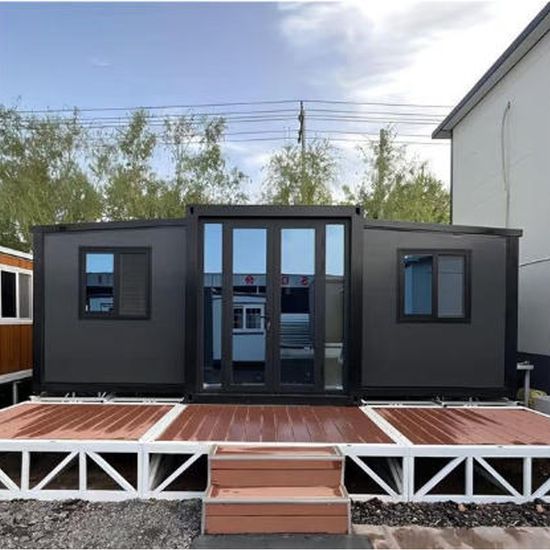


When selecting a foldable mobile home, prioritize the structural frame material, typically galvanized steel Q235 or Q345, to ensure corrosion resistance and seismic stability. The wall panels should be made of fireproof rock wool or glass wool sandwich panels with a thickness of at least 50mm to 75mm for adequate thermal insulation. Additionally, verify the folding mechanism's durability, ensuring the hinges and hydraulic systems (if applicable) are rated for multiple deployment cycles without structural fatigue.
Buyers must ensure the product meets ISO 9001 for manufacturing quality and CE certification for the European market. For North America, compliance with ASTM standards for wind load and snow load is critical. Ensure the electrical and plumbing systems pre-installed in the unit adhere to the destination country's standards, such as UL (USA), SAA (Australia), or CE (EU), to avoid costly retrofitting upon arrival.
Request the thermal conductivity (U-value) reports for the wall and roof sections; a lower U-value indicates better energy efficiency. For weatherproofing, confirm the use of high-grade EPDM sealing strips at all folding joints to prevent water leakage. Ask the supplier for wind resistance ratings (typically should withstand Grade 10-11 winds) and floor load-bearing capacity, which should be at least 200kg/m² for residential use.
A top-tier supplier on Made-in-China.com should offer modular interior layouts, allowing for the integration of kitchens, bathrooms, and partitions. Look for options to upgrade flooring materials (e.g., SPC stone-plastic flooring) and external cladding for aesthetic purposes. Professional suppliers will also provide CAD and 3D design services to visualize the final product before mass production.
The main risk is structural damage during sea transit due to improper bracing. Ensure the supplier uses specialized shipping frames or packs the units tightly within a 40ft HQ container (which can typically hold 2 to 6 units depending on the folded dimensions). Always secure Marine Cargo Insurance to cover potential damage from moisture or physical impact during the long-haul voyage.
Utilize secured payment terms and consider using the Audit Reports available on Made-in-China.com to verify the supplier's factory capacity. Negotiate a staged payment plan (e.g., 30% deposit, 70% after successful third-party pre-shipment inspection). This ensures the goods meet your quality benchmarks before the final balance is released.
Unlike standard parcels, foldable homes require heavy lifting equipment (cranes or large forklifts) at the destination. Confirm the Incoterms clearly; if buying DDP, ensure the agent has experience with oversized cargo. If buying FOB/CIF, you must pre-arrange a local logistics provider capable of handling flatbed truck transportation from the port to the installation site.
Identify the correct HS Code (usually under 940690 for prefabricated buildings) to determine the exact tariff rates in your country. Be aware of Anti-Dumping duties that may apply to steel products in certain regions. Provide your customs broker with a detailed Packing List, Commercial Invoice, and Certificate of Origin to facilitate a smooth clearance process.