
Satisfies 1 requirement
Windproof Waterproof Thermal Insulated House with Steel Frame Temporary Camp Dormitory Weather Resistant Flat Pack Modular Container House
US$600.00-800.00
1 Piece(MOQ)

I have found results from100000+products and60000+suppliers aboutFlat-pack container house


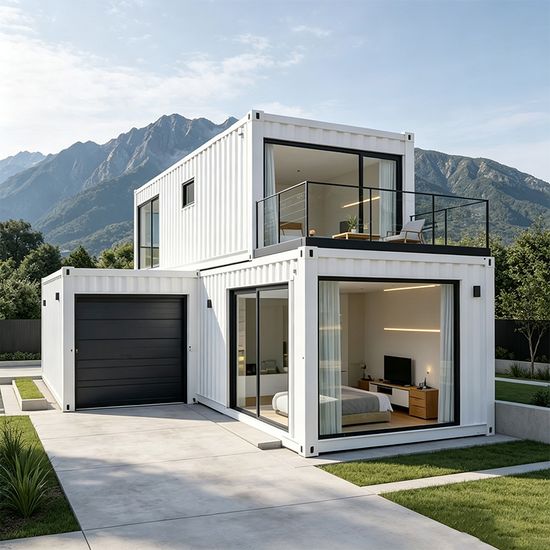


When sourcing flat-pack container houses, prioritize the galvanized steel frame thickness, which should ideally be between 2.5mm and 4.0mm to ensure structural integrity. For insulation, Rockwool or Polyurethane (PU) sandwich panels are superior to EPS due to their Class A fire rating and better thermal retention. Ensure the floor system utilizes 18mm fiber cement boards rather than MGO boards for enhanced moisture resistance and load-bearing capacity (≥250kg/m²).
Buyers must verify that the supplier holds ISO 9001 for quality management and CE certification for the European market. For North American projects, ensure the electrical components are UL or ETL listed, and the structure meets local wind load (typically >120km/h) and snow load requirements. Requesting a SGS or Intertek factory audit report via Made-in-China.com is highly recommended to validate production capacity.
The primary advantage is shipping efficiency; a standard 40ft HQ shipping container can transport 4 to 6 units of 20ft flat-pack houses, significantly reducing ocean freight costs per unit. For assembly, professional suppliers provide pre-installed electrical wiring and plumbing within the ceiling and floor sections, allowing a team of 3 workers to complete a basic unit in under 4 hours using only a crane and basic power tools.
Most professional manufacturers offer modular scalability, allowing units to be stacked up to 3 stories high or joined side-by-side to create larger open-plan spaces. Buyers can customize external cladding (e.g., PVC, wood-plastic composite) for aesthetics, upgrade to double-glazed tempered glass windows for soundproofing, and request integrated solar power systems for off-grid applications.
The most significant risk is structural corrosion due to poor-quality galvanization. Always specify Hot-Dip Galvanization rather than cold plating. Another risk is non-compliance with local building codes, which can lead to permit denials. To mitigate this, use Made-in-China.com's Secured Trading services to ensure that the final product matches the technical drawings and material specifications agreed upon in the contract.
Negotiate for a staged payment structure, such as 30% deposit, 60% after video inspection of the finished goods, and 10% upon receipt of the Bill of Lading. Insist on a pre-shipment inspection (PSI) by a third party to verify the quantity of bolts, seals, and accessories, as missing small components can stall an entire construction project in a foreign country.
Choose FOB (Free On Board) terms if you have a reliable freight forwarder, as this gives you better control over the demurrage and detention periods at the destination port. Be aware of Anti-Dumping Duties or specific tariffs on steel structures in your region. Ensure the supplier provides a Certificate of Origin (CO) to potentially benefit from Free Trade Agreement (FTA) preferential tariffs.