
Satisfies 1 requirement
Prefabricated Modular Portable Flat Pack Container Rooms for Garage Storage Office Buildings
US$1,099.00-1,149.00
3 Pieces(MOQ)

I have found results from200000+products and70000+suppliers aboutFlat pack container


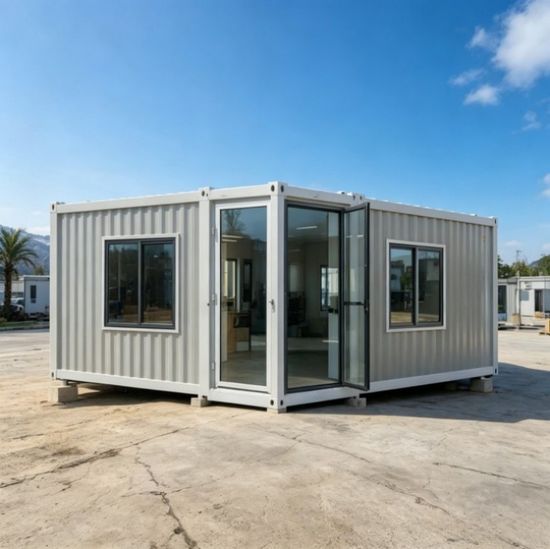


When sourcing flat pack containers, prioritize the galvanized steel frame thickness (ideally 2.5mm to 3.0mm) to ensure structural integrity. The wall panels should be made of high-density rock wool or PU sandwich panels (minimum 50mm thickness) for superior thermal insulation and fire resistance. Additionally, verify that the floor system includes a cement fiber board or MGO board base with a PVC vinyl finish for durability and moisture resistance.
Ensure the supplier provides CE certification for European markets or meets ASTM standards for North America. Crucially, request wind load resistance reports (should withstand Grade 10-11 winds) and snow load capacities (typically 0.5kN/m² to 1.0kN/m²). For electrical components, ensure all wiring, sockets, and DB boxes are pre-installed and compliant with the destination country's voltage and safety codes (e.g., UL, SAA, or VDE).
Flat pack containers are highly versatile, commonly used for temporary site offices, labor dormitories, disaster relief housing, and modular clinics. Their stackable design (up to 3 levels) makes them ideal for high-density urban construction sites. They are also increasingly popular for pop-up retail shops and remote mining camps due to their rapid deployment capabilities.
The primary advantage is logistics; four standard flat pack units can be bundled to the dimensions of a single 20ft ISO shipping container, reducing sea freight costs by up to 75%. On-site, a skilled team of three workers can typically complete the assembly of one unit within 2 to 4 hours using basic lifting equipment, significantly reducing labor costs compared to traditional construction.
The most significant risk is corrosion during sea transit; ensure the supplier uses marine-grade anti-corrosive paint and proper waterproof packaging. Another risk is component mismatch; always require a pre-shipment trial assembly video or a third-party inspection report from Made-in-China.com to verify that all bolts, holes, and panels align perfectly before the goods leave the factory.
Focus on the Total Cost of Ownership (TCO) rather than just the unit price. Negotiate for spare parts kits (extra sealants, bolts, and corner fittings) to be included at no cost. For orders exceeding 10 units, seek a 5-10% volume discount or request an upgrade to thicker zinc coating on the steel frame to extend the product's lifespan in humid environments.
Use SOC (Shipper Owned Container) terms if you plan to keep the units as permanent structures, or standard SOC bundling to save on return freight. Upon arrival, perform a quantity audit against the packing list immediately. Ensure the foundation at the destination is level and reinforced (concrete pads or steel piers) to prevent structural warping over time.
Utilize Secured Trading services provided by Made-in-China.com to protect your payment until the goods are shipped. Always verify the supplier's Audit Reports and 'Diamond Member' status to confirm their manufacturing scale and export history. Avoid direct wire transfers to private accounts; always use official corporate bank accounts verified by the platform.