
Satisfies 1 requirement
Earthquake Proof Steel Structure Pig House for Standardized Pig Breeding Center
US$15.00-60.00
100 Square Meters(MOQ)

I have found results from200000+products and60000+suppliers aboutEarthquake proof house


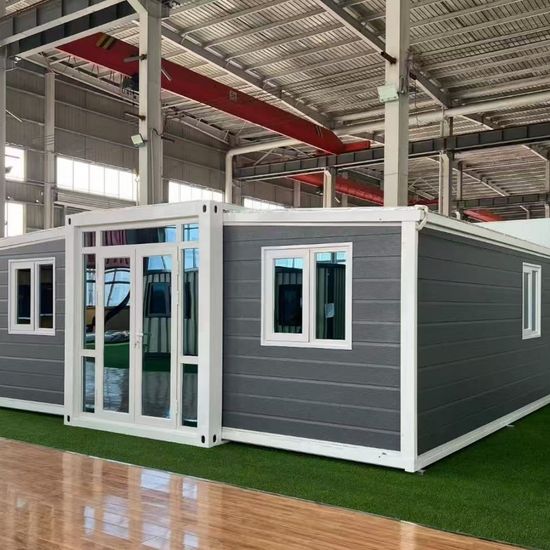


Modern earthquake-proof houses utilize Base Isolation Systems, which decouple the structure from the ground using lead-rubber bearings to absorb shock. Another critical technology is the Seismic Damper (viscous or friction dampers) that acts like a car's shock absorber to dissipate energy. For prefabricated or modular units, Light-Gauge Steel (LGS) Framing is preferred due to its high strength-to-weight ratio and flexibility, which prevents brittle collapse during tremors.
Buyers must ensure the design adheres to the ASCE 7 (Minimum Design Loads for Buildings) or the Eurocode 8 (Design of structures for earthquake resistance). For modular or container-based earthquake houses, look for ISO 15928 for structural performance and ASTM E119 for fire resistance. Always request a Seismic Analysis Report stamped by a certified structural engineer to verify the house can withstand the specific seismic zone (e.g., Zone 4) of your destination.
Reinforced Concrete (RC) offers high durability but is heavy and requires expensive foundation work. Steel structures are more economically feasible for cross-border shipping due to their modular nature and lower weight, which reduces freight costs. Cross-Laminated Timber (CLT) is an emerging sustainable option that provides excellent seismic performance due to its natural elasticity, though it may require specific anti-termite and moisture-proof treatments to ensure long-term ROI.
Earthquake-proof houses are primarily used for Residential Housing in high-risk fault line areas, Emergency Relief Shelters for rapid deployment post-disaster, and Critical Infrastructure Housing (such as telecommunication hubs or medical clinics) that must remain operational during and after a seismic event. Many are now designed as Luxury Eco-Villas that combine safety with high-end aesthetics.
The biggest risk is Non-Compliance with Local Building Codes, which can lead to the denial of occupancy permits. To mitigate this, ensure the supplier provides detailed CAD drawings and structural calculations for local authority pre-approval. Another risk is Damage during Maritime Transit; ensure the contract specifies Seaworthy Packaging and use CIF (Cost, Insurance, and Freight) terms to ensure the cargo is fully insured against structural warping or corrosion during sea transport.
Focus on Tiered Pricing based on the total floor area (sqm) rather than unit count. Request a Quality Assurance Agreement that includes a 5 to 10-year structural warranty. For large orders, negotiate for the supplier to send a Technical Supervisor to the destination to oversee the initial assembly, ensuring the seismic components are installed correctly according to the engineering specifications.
Most earthquake-proof houses are shipped as Flat-Pack (SOC - Shipper Owned Containers) or 40ft HC containers. Verify the Loading Capacity of your local port and the availability of cranes at the site. For landlocked regions, ensure the modules meet Standard Road Transport Dimensions to avoid expensive 'Oversized Load' permits and escort vehicle fees.
Utilize Secured Payment Terms such as a Letter of Credit (L/C) or the escrow services provided by Made-in-China.com. Never release the final 30-50% balance until a Pre-Shipment Inspection (PSI) has been conducted by a third-party agency (like SGS or Intertek) to verify that the steel grade and welding quality match the agreed-upon standards.