
Satisfies 1 requirement
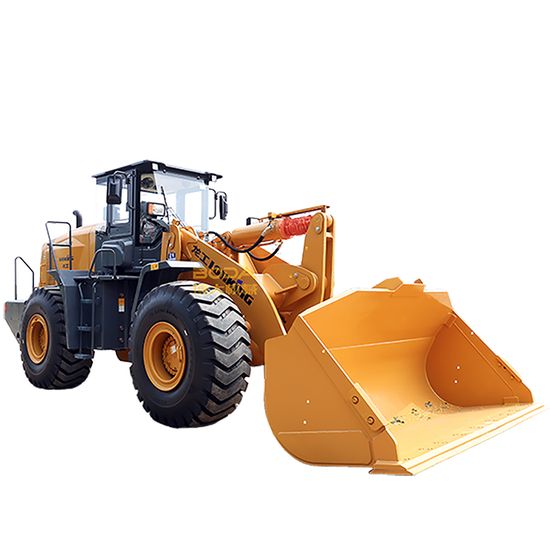
Small Loader and Wood Grabber Small Forklift Simple Operation Container Loader Mini Wheel Loader
US$1,800.00-4,600.00
1 Piece(MOQ)

I have found results from200000+products and90000+suppliers aboutContainer loader




When procuring a container loader, you must prioritize lifting capacity (typically ranging from 20 to 45 tons for reach stackers or side loaders) and stacking height (e.g., 3-high to 5-high). Ensure the engine meets international emission standards (such as Euro V or Tier 4 Final) to comply with local environmental regulations. Additionally, verify the hydraulic system's reliability, focusing on brands like Rexroth or Danfoss, and check for telescopic boom durability to ensure long-term structural integrity under heavy loads.
For the European market, the equipment must carry the CE Marking and comply with the Machinery Directive 2006/42/EC. For North America, adherence to ANSI/ITSDF B56.1 standards is critical. Globally, the manufacturer should hold ISO 9001 for quality management and ISO 3834 for welding quality. Ensure the product has a ROPS/FOPS (Roll-Over/Falling Object Protective Structure) certified cabin to meet occupational safety requirements.
Look for loaders equipped with CAN-bus control systems for real-time diagnostics and load-sensing hydraulic technology to reduce fuel consumption by up to 20%. High-end models should offer GPS and fleet management system integration, allowing for remote monitoring of fuel levels, engine health, and container handling statistics. Automatic weighing systems integrated into the spreader are also a significant advantage for SOLAS compliance.
For port terminals with high-density stacking, a Reach Stacker is preferred due to its flexibility. For logistics hubs with narrow aisles, a Side Loader or a Gantry-type container handler may be more space-efficient. If the operation involves empty container handling, specialized Empty Container Handlers offer faster cycle times and lower operational costs compared to heavy-duty laden loaders.
Container loaders are typically shipped via Ro-Ro (Roll-on/Roll-off) vessels or as Breakbulk cargo due to their dimensions. It is vital to confirm the disassembly plan with the supplier; some components like the boom or spreader may need to be shipped separately in 40ft FR (Flat Rack) containers. Ensure the supplier provides a detailed packing list and assembly manual for re-integration at the destination.
Utilize Secure Payment services provided by reputable platforms like Made-in-China.com to ensure funds are only released upon proof of shipment. It is highly recommended to commission a third-party pre-shipment inspection (PSI) by agencies like SGS or Bureau Veritas to verify the mechanical functions, weld quality, and specification alignment before the final payment is made.
Negotiate a spare parts package (wear-and-tear items for the first 2,000 hours of operation) to be included in the initial purchase. Confirm if the supplier has authorized service centers in your region or if they provide 24/7 remote technical support. Ensure that the warranty terms (typically 12 months or 2,000 hours) clearly state the process for shipping replacement parts internationally at the supplier's expense.
Focus on the Total Cost of Ownership (TCO) rather than just the sticker price. Negotiate for extended warranties, free operator training sessions (via video or on-site), and customized paint/branding. For multiple units, aim for a volume discount of 5-10% and request FOB (Free On Board) terms to maintain better control over the international freight costs and insurance.