
Satisfies 1 requirement
Luxury Designer Cl Dress Shoes Mens Casual Red Bottom Shoes Leather Suede Camo Green Men Women Fashion Spikes Office Career Loubou Wedding Trainers Sneakers
US$10.00-35.00
500 Pairs(MOQ)

I have found results from900+products and200+suppliers aboutCamo rubber shoes price


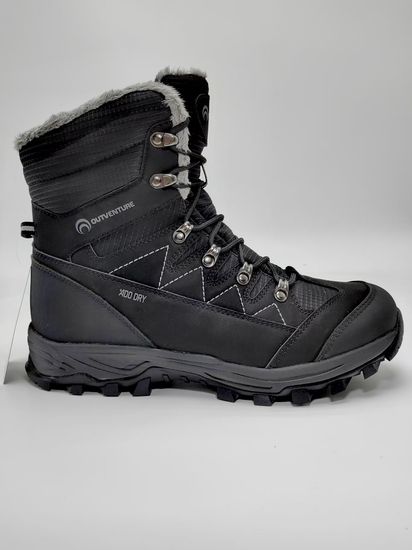


When sourcing camo rubber shoes, prioritize natural rubber content over synthetic blends to ensure superior flexibility and crack resistance. The upper should feature high-density neoprene (5mm-7mm) for insulation and waterproofing, while the camouflage pattern should be applied using heat-transfer printing or vulcanization to prevent peeling. Ensure the outsole is made of slip-resistant, self-cleaning rubber with a deep lug pattern for traction in mud and uneven terrain.
For the US market, ensure products meet ASTM F2413-18 standards if they include safety toes, and ASTM F2913 for slip resistance. For the EU, CE certification (EN ISO 20347 or 20345) is mandatory. Additionally, verify that the materials are REACH compliant to ensure they are free from harmful phthalates and lead, which is critical for customs clearance and consumer safety.
Request a Flex Test report (SATRA TM92) to ensure the rubber can withstand at least 100,000 flex cycles without cracking. You should also ask for hydrostatic pressure test results to confirm 100% waterproofing. For camo patterns, a UV resistance test is vital to ensure the colors do not fade significantly under prolonged sunlight exposure in outdoor scenarios.
The price is primarily driven by the current market price of raw natural rubber and the complexity of the camo print (licensed patterns like RealTree or Mossy Oak incur royalty fees). Order volume (MOQ) significantly impacts the unit cost; for instance, ordering 1,000+ pairs can often reduce the price by 15-25% compared to small trial orders. Labor-intensive processes like hand-layered rubber construction will also command a premium price.
Always utilize Third-Party Inspection (TPI) services like SGS or Intertek to conduct a Pre-Shipment Inspection (PSI). Ensure the inspection covers watertightness (submersion test) and bonding strength between the sole and the upper. Use secure payment methods and platforms like Made-in-China.com that offer trade security services to protect your funds until the shipping documents are verified.
Focus on Total Cost of Ownership (TCO) rather than just the unit price. Negotiate for spare parts (like extra insoles) or a 1-2% defect allowance credit on future orders. If you are a repeat buyer, request Net 30 or Net 60 payment terms after the third successful shipment to improve your cash flow. Mentioning your long-term sourcing plan on Made-in-China.com can also help in securing VIP manufacturer pricing.
Rubber shoes are heavy and prone to 'blooming' (white powdery oxidation) if exposed to extreme temperature fluctuations. Insist on desiccant silica gel packets in every box and ensure the shipping container is ventilated. To optimize freight costs, consider bulk packing (polybags) instead of individual shoe boxes if the retail branding allows, as this can increase container capacity by 30-40%.
Check the HS Code (typically 6401.92) for your specific country to determine import duties. Be aware of Anti-Dumping Duties (ADD) that some regions (like the EU or Turkey) may apply to footwear from specific origins. Always request a Certificate of Origin (Form A or Form E) from your supplier to take advantage of Preferential Tariff Treatments under Free Trade Agreements.