
Satisfies 1 requirement
Original Quality Semi-Metallic Brake Pad for Toyota Yaris 1.5 / Ford Ranger 3.2, Long Life, Inmetro Certified Manufacturer Competitive Wholesale Prices
US$1.99-4.99
50 Sets(MOQ)

I have found results from40000+products and10000+suppliers aboutBrake pads price


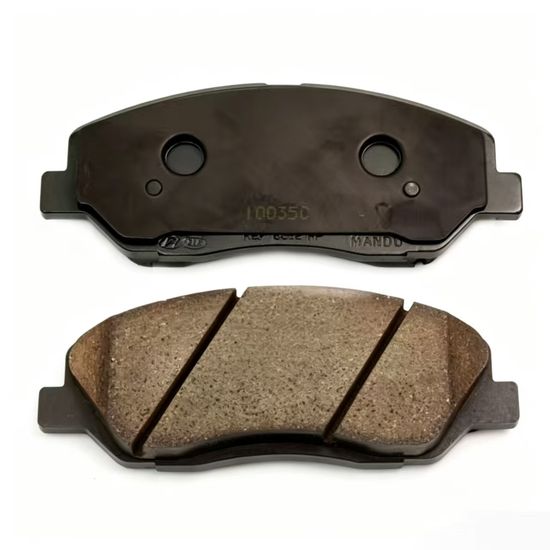


Brake pads are generally categorized into three types: Semi-Metallic, Ceramic, and Low-Metallic. Semi-metallic pads are cost-effective and offer excellent heat dissipation but are noisier. Ceramic pads command a premium price due to their quiet operation, low dust, and long lifespan. Low-metallic pads provide high braking power for performance vehicles but wear out faster. Buyers should choose based on the target vehicle segment to balance cost and utility.
For the US market, ensure products meet AMECA certification and NSF/SAE standards (specifically regarding copper content). For the European market, ECE R90 certification is mandatory, ensuring the replacement pad performs within +/- 15% of the Original Equipment (OE). Always request ISO/IATF 16949 certification from the manufacturer, as this is the gold standard for automotive quality management systems.
The friction coefficient (EE, FF, GG ratings) directly impacts safety and price. Most passenger cars require an FF rating. Higher-performance pads with GG or HH ratings use advanced friction formulas that increase the unit cost. Additionally, features like scorched surfaces (for faster bedding-in) and multi-layer shims (for noise reduction) will add a price premium of 5-15% but significantly reduce end-user complaints.
Sourcing OE (Original Equipment) quality pads ensures a perfect fit and brand trust but comes with a higher price point and stricter MOQs. Aftermarket (AM) pads offer much higher profit margins and flexible packaging options. For B2B buyers, the most feasible strategy is to source from Tier 2 suppliers on Made-in-China.com who manufacture for major brands but sell their own white-label versions at 30-50% lower costs.
Request a Third-Party Inspection (TPI) such as SGS or Intertek to perform a Chase Test or Dyno Test before shipment. Ensure the contract specifies that the friction material formula must match the approved pre-production sample. Transaction security can be enhanced by using secured payment terms that release funds only after the inspection report is verified.
Negotiate based on tooling costs and volume tiers. If you are ordering for multiple car models, ask for a consolidated MOQ. Suppliers are often willing to offer a 3-5% discount if you agree to standardized neutral packaging instead of custom-printed boxes, as this reduces their production complexity.
Brake pads are heavy; therefore, Sea Freight (LCL or FCL) is the only economically viable method. Be aware of Anti-Dumping Duties (ADD) that some regions may impose on Chinese automotive components. Always verify the HS Code (typically 8708.30) with your customs broker to calculate accurate import tariffs and ensure all Certificates of Origin are prepared to leverage trade agreements.
Prioritize Audited Suppliers on Made-in-China.com who have undergone on-site factory verification. Use Trade Messenger to keep all technical requirements and lead-time promises documented. For initial orders, utilize Escrow-based payment services to ensure your capital is protected until the goods reach the port of loading.