
Satisfies 1 requirement
Brake Master Cylinder and Clutch Slave Cylinder of Automobile Part
US$3.00
10 Pieces(MOQ)

I have found results from200000+products and60000+suppliers aboutBrake cylinder china

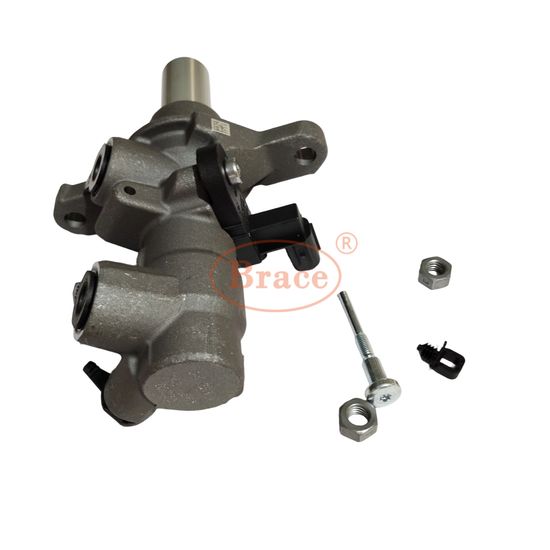


Buyers must prioritize material integrity and precision engineering. Ensure the cylinder body is made of high-strength cast iron or aluminum alloy to withstand high pressure. Key specs include the bore size (diameter), which must match OEM standards exactly to ensure proper hydraulic pressure, and the surface finish of the internal bore, which should be honed to a mirror finish to prevent seal wear and fluid leakage.
As a critical safety component, brake cylinders must adhere to IATF 16949:2016, which is the global quality management standard for the automotive industry. Additionally, products should meet ISO 9001 for general quality and specific regional standards such as DOT (Department of Transportation) for the US market or E-Mark (ECE R13) for the European Union to ensure legal compliance and road safety.
Request third-party lab test reports focusing on three critical areas: High-pressure leak testing (ensuring no failure at 1.5x working pressure), Cycle life testing (verifying the unit can withstand 1 million+ strokes), and Salt spray testing (ASTM B117) to ensure the exterior coating or plating provides adequate corrosion resistance against road salt and moisture.
The quality of internal components is paramount. Ensure the supplier uses EPDM (Ethylene Propylene Diene Monomer) rubber seals, which are resistant to glycol-based brake fluids (DOT 3, 4, and 5.1). The pistons should be precision-ground and heat-treated to prevent galling and ensure smooth actuation within the cylinder body.
The biggest risk is material substitution (using lower-grade alloys) and inconsistent seal quality. To mitigate this, use Made-in-China.com's Secured Trading services and insist on a Pre-Shipment Inspection (PSI). A professional inspector should perform a random hydraulic pressure test on the production lot before the final balance is paid.
Focus on Total Cost of Ownership (TCO) rather than just the unit price. Negotiate for longer warranty periods (typically 12-24 months) and clarify the defective rate allowance (usually <0.3%). For large volumes, ask for customized packaging (branding/labeling) to be included in the price, which adds retail value without increasing shipping costs.
Brake cylinders are heavy and susceptible to rust. Ensure the supplier uses VCI (Volatile Corrosion Inhibitor) bags for individual packaging and seaworthy wooden pallets for bulk shipping. When shipping to the US or Europe, verify the HS Code (typically 8708.30) to accurately calculate anti-dumping duties or tariffs applicable to automotive brake parts.
Always verify the supplier's Business License and Export Qualification on the Made-in-China.com platform. Look for 'Audited Suppliers' who have undergone on-site verification by third-party agencies like SGS or Bureau Veritas. Use Letter of Credit (L/C) or Escrow-based payment terms for first-time large orders to protect your capital until the goods are verified.