
Satisfies 1 requirement
Enjoy 500kw 1MW All in One Megarevo Hybrid Solar Power Inverter for Container Bess Solution
US$45,799.00-49,963.00
5 Pieces(MOQ)

I have found results from50000+products and10000+suppliers aboutAll in one solar inverters


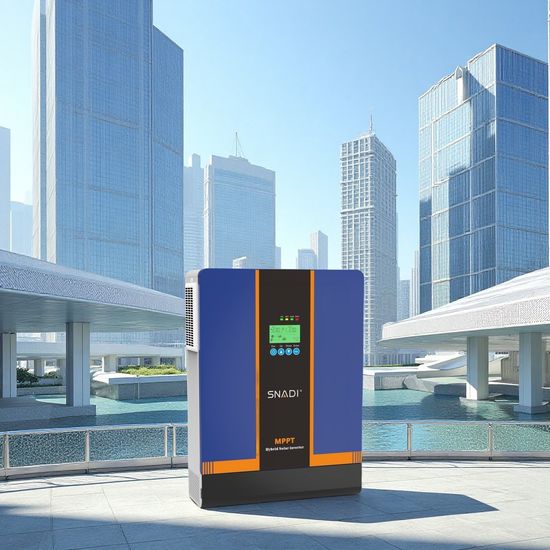


Buyers must prioritize Pure Sine Wave output to ensure compatibility with sensitive electronics. Key metrics include Rated Power (kW), Peak Power (Surge Capacity)—which should be at least 2x the rated power for motor-driven loads—and Maximum PV Input Voltage (VOC). Ensure the unit features a built-in MPPT (Maximum Power Point Tracking) controller with an efficiency rating of ≥99% to optimize solar energy harvest.
For the European market, CE (LVD/EMC) and RoHS certifications are essential. US-bound products must adhere to UL 1741 or ETL standards for safety and grid interconnection. Additionally, look for IEC 62109-1/-2 for general safety and UN38.3 if the inverter is integrated with lithium batteries, ensuring safe transport and operation.
Verify if the inverter supports both Lead-acid and Lithium-ion (LiFePO4) batteries. Professional-grade units should include a BMS (Battery Management System) communication port (RS485/CAN) to ensure seamless data exchange with lithium batteries. Check the maximum parallel capacity; top-tier models allow up to 6 to 9 units to be connected in parallel for three-phase or high-capacity single-phase systems.
These units are ideal for Off-grid residential systems, Remote telecommunication stations, and Mobile power solutions (RVs/Boats). Because they integrate the inverter, solar charger, and AC charger into one chassis, they significantly reduce installation space and labor costs, making them perfect for DIY markets and rural electrification projects.
Always mandate a Pre-Shipment Inspection (PSI) by a third-party agency like SGS or Intertek. Request a Full Load Test Report and a High-Voltage Insulation Test for your specific batch. On Made-in-China.com, prioritize Audited Suppliers who have undergone comprehensive on-site factory verifications to ensure their production capacity and quality control systems are legitimate.
Negotiate based on Total Cost of Ownership (TCO) rather than just the unit price. Aim for a 5-year functional warranty instead of the standard 1-2 years. For bulk orders (e.g., >100 units), request 2% free-of-charge (FOC) spare parts, such as mainboards and cooling fans, to handle local repairs quickly without the need for international return shipping.
Inverters contain heavy transformers and sensitive capacitors; therefore, Double-wall corrugated packaging with EPE foam inserts is mandatory. If the unit includes integrated batteries, it must be shipped as Class 9 Dangerous Goods, requiring specific labeling and documentation (MSDS). Ensure the Incoterms are clearly defined—CIF or DAP are preferred for buyers new to energy logistics to ensure the supplier handles the complex hazardous goods declarations.
Utilize Secured Payment services provided by Made-in-China.com to ensure funds are only released after the bill of lading is verified. Avoid direct wire transfers to private accounts. For first-time orders, use a 30% deposit and 70% balance against the copy of the B/L structure to maintain leverage over product quality and shipping timelines.